 Pin It
 My uncle pulled me into his kitchen on a cold January afternoon, insisting that real Texas black-eyed peas couldn't come from a recipe card—they had to come from watching someone make them with their hands moving faster than their mouth. He cracked open a can of Rotel with such reverence you'd think it held liquid gold, and the kitchen filled with this warm, smoky smell that made me understand why people gather around pots like this instead of tables. By the time those peas were creamy and the bacon fat had worked its magic into every bean, I knew I'd stumbled onto something worth remembering.
I made this for my sister's book club last spring, and what started as me nervously watching the clock turned into three hours of people lingering in the kitchen, bowls in hand, telling stories. Someone asked for the recipe before dessert was even served, and I realized then that good food isn't about impressing anyone—it's about creating the kind of moment where time moves differently and everyone feels welcome.
Ingredients
- Dried black-eyed peas (1 pound): Rinsing and sorting them matters more than you'd think—a stray pebble ruins the whole vibe, and rinsed peas cook more evenly.
- Thick-cut bacon (8 ounces): Don't cheap out here; thick-cut bacon renders differently and gives you that smoky foundation that thinner strips can't match.
- Yellow onion (1 large): Finely chopped onion melts into the broth and becomes almost invisible, but that sweetness is holding everything together.
- Garlic (4 cloves): Minced fresh garlic wakes up the whole pot in a way that powder never will—add it after the onions have softened so it doesn't burn.
- Jalapeños (2): Seeding them keeps things manageable, but leaving some seeds in if you like heat is the Texas way of doing things.
- Rotel tomatoes (2 cans): This is non-negotiable for authentic flavor; the green chilies in the can are part of what makes this distinctly Texan.
- Chicken broth (6 cups): Low-sodium lets the spices shine and gives you control over salt levels as you cook.
- Water (2 cups): This prevents the pot from becoming too concentrated and lets the peas cook gently.
- Chili powder (2 teaspoons): This is your backbone—don't skip it or substitute light-handedly.
- Smoked paprika (1 teaspoon): The smoke is doing work that fresh paprika simply cannot, adding depth without heat.
- Cumin (1 teaspoon): Just enough to make people wonder what that warmth is in the background.
- Black pepper and salt: Taste as you go; you might need more than the recipe says depending on your broth.
- Bay leaves (2): They're not for flavor so much as for that intangible something that makes home cooking feel intentional.
Tired of Takeout? 🥡
Get 10 meals you can make faster than delivery arrives. Seriously.
One email. No spam. Unsubscribe anytime.
Instructions
- Render the bacon into liquid gold:
- Dice that bacon thick and let it cook over medium heat until it's actually crispy, not just brown—this usually takes about 6 to 8 minutes, and the kitchen will smell incredible. The rendered fat is your secret, so leave it in the pot and fish out the bacon with a slotted spoon to drain it properly.
- Build your aromatics foundation:
- Throw the chopped onion and jalapeños into that bacon fat and let them soften for 4 to 5 minutes, stirring occasionally so they catch just slightly and caramelize at the edges. You're looking for them to become soft enough to break apart easily, which means you're ready for the garlic.
- Wake up the pot with garlic:
- Add your minced garlic and stir constantly for about a minute—you want it fragrant but not browning, which happens faster than you'd expect. This is your moment to notice how different the smell becomes, sharper and more alive.
- Combine everything into the broth:
- Add the rinsed black-eyed peas back to the pot along with the crispy bacon you set aside, both cans of Rotel with all their liquid, the chicken broth, water, and every spice and bay leaf. Stir everything together thoroughly so the seasonings distribute and nothing settles at the bottom.
- Bring it to a boil, then let it breathe:
- Turn the heat up until you see a rolling boil, then immediately reduce to low and cover the pot—this transition matters because boiling then simmering keeps the peas from breaking apart. Stir occasionally over the next hour, just to check in and make sure nothing is sticking.
- Test and finish the peas:
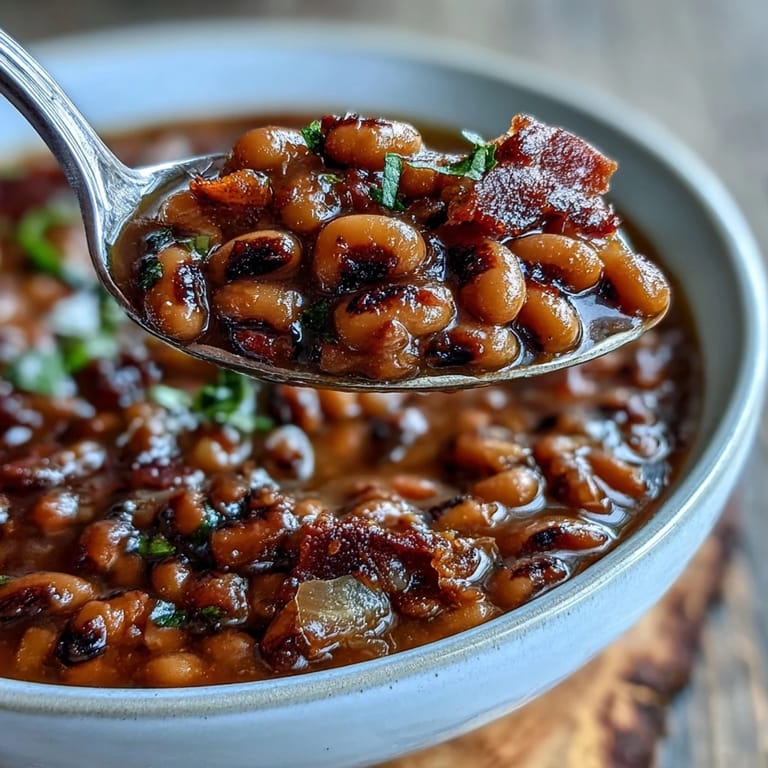
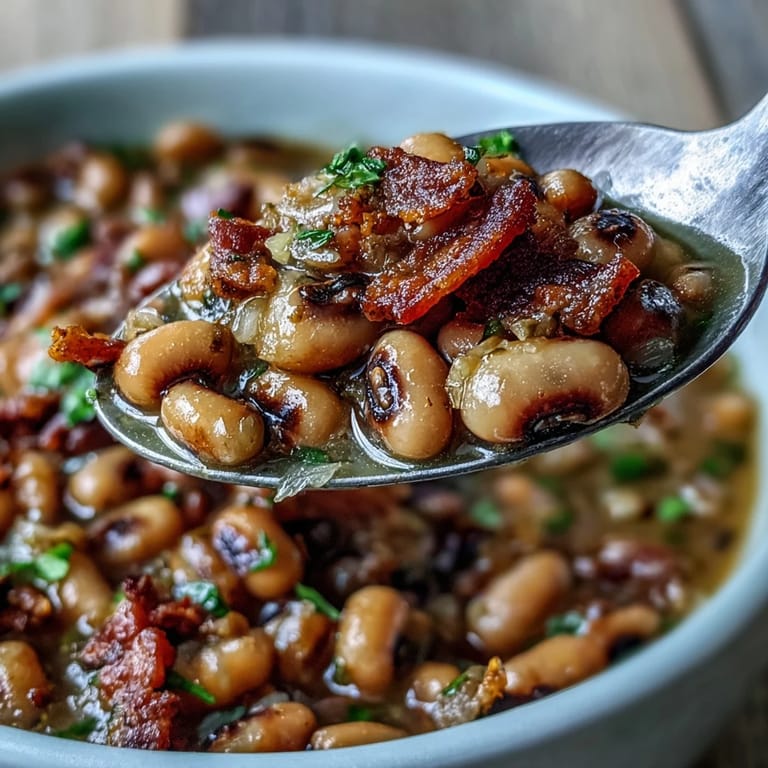
- After an hour, bite into a pea to see if it's tender enough; if it needs more time, you'll know immediately. Uncover the pot and let it simmer for another 20 to 30 minutes, which allows the liquid to reduce and the peas to become that creamy texture that makes people come back for seconds.
- Final taste and serve:
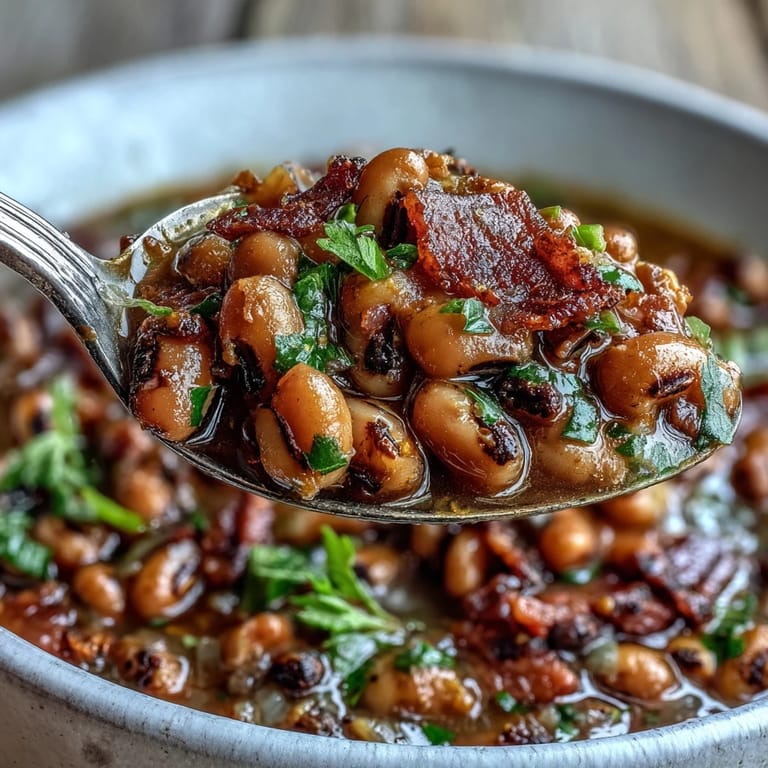
- Fish out the bay leaves, taste a spoonful, and adjust salt and pepper to your preference—remember that broth has some salt already, so taste before you add more. Ladle into bowls and top with cilantro and green onions if you want that bright finish.
 Pin It
 There's a moment when everything comes together in a pot like this, usually around minute 70 or so, where you lift the lid and the steam hits your face and you just know it's going to be good. That's when cooking stops feeling like a task and starts feeling like you're in on a secret that's been passed down through a hundred family dinners.
Why This Dish Matters in Texas
Black-eyed peas aren't just a side dish in Texas—they're a philosophy about how to cook: take humble things, add smoke and spice, let time do the work, and end up with something that fills you up in ways that go beyond your stomach. The Rotel tomatoes and bacon fat are what separate a decent pot of beans from a Texan one, and once you understand that difference, you'll find yourself making this whenever people gather in your kitchen looking for something real.
Making It Work for Your Table
This recipe scales easily if you're feeding more people—just multiply everything proportionally and add a little extra cooking time because a bigger pot needs it. Leftovers actually improve over a couple of days as the flavors deepen, and this is the kind of dish that's just as good reheated on Wednesday as it was fresh on Sunday.
Serving Suggestions and Variations
Cornbread is the traditional companion, and there's something about the sweetness of cornbread against these spicy, smoky peas that just works on a cellular level. You can also serve it over rice if you want something that soaks up all that broth, or keep it vegetarian by swapping out the bacon for a teaspoon of liquid smoke and using vegetable broth instead—it won't be identical, but it'll still be delicious.
- For extra heat, add another jalapeño or a pinch of cayenne pepper—taste as you go because some guests might not want their dinner setting their mouth on fire.
- Fresh cilantro and sliced green onions on top add brightness that cuts through the richness beautifully, so don't skip the garnish even if it feels fancy.
- Store leftovers in an airtight container in the fridge for up to 4 days, and they'll taste even better the next day when everything has had time to get to know each other.
 Pin It
 This pot of peas has the kind of quiet power that comes from good ingredients treated with respect and time allowed to do its work. Make it once and you'll understand why people keep coming back to it, again and again.
Recipe FAQs
- → Do I need to soak black-eyed peas before cooking?
No soaking required for this method. The dried peas simmer directly in the liquid for about 90 minutes until tender and creamy. This technique works well because the long, slow cooking time allows the peas to fully soften while absorbing all the savory flavors from the broth and seasonings.
- → Can I make this vegetarian?
Absolutely. Simply omit the bacon and substitute vegetable broth for the chicken broth. Add extra smoked paprika or a few drops of liquid smoke to maintain that smoky depth of flavor. You can also sauté the vegetables in olive oil instead of bacon fat.
- → How spicy are these black-eyed peas?
The dish has a mild to medium heat level from two jalapeños and the Rotel tomatoes. If you prefer more spice, leave some seeds in the jalapeños or add a pinch of cayenne. For a milder version, remove all seeds from the peppers and reduce the chili powder slightly.
- → What should I serve with Texas black-eyed peas?
Cornbread is the classic Southern accompaniment, perfect for soaking up the flavorful broth. You can also serve over steamed rice, alongside collard greens, or with buttermilk biscuits. Fresh garnishes like cilantro and green onions add brightness and color to the rich, smoky dish.
- → How long do leftovers keep?
Leftovers can be refrigerated for up to 4 days and actually improve in flavor as the seasonings meld. Reheat gently on the stovetop, adding a splash of water or broth if needed to thin the consistency. This dish also freezes well for up to 3 months.
- → Can I use canned black-eyed peas instead?
You can substitute canned peas, but reduce the cooking time significantly since they're already tender. Use about 4-5 cans (drained) and simmer for just 20-30 minutes to blend flavors. However, dried peas provide better texture and absorb more of the savory seasoning during the longer cooking process.