 Pin It
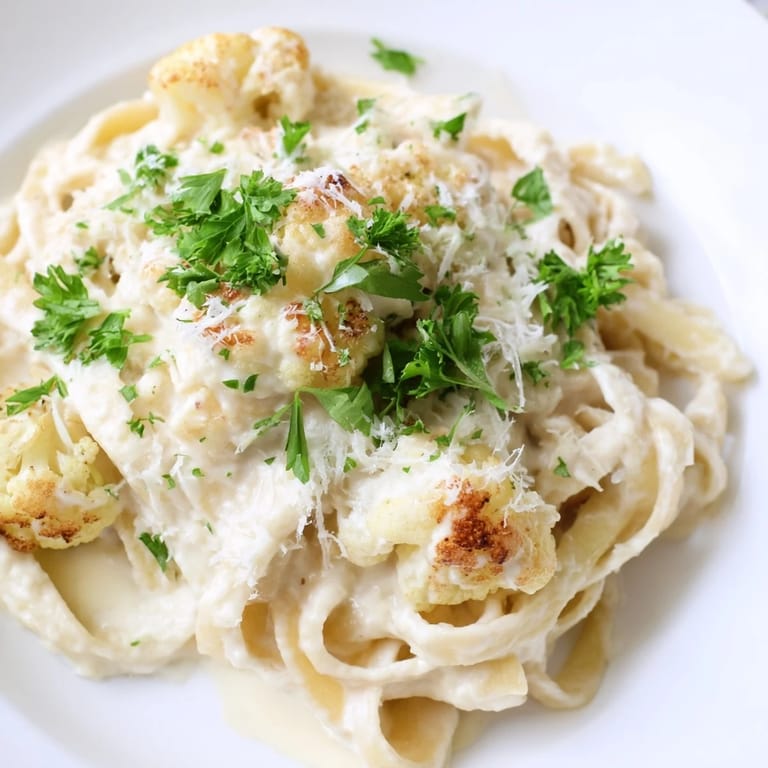
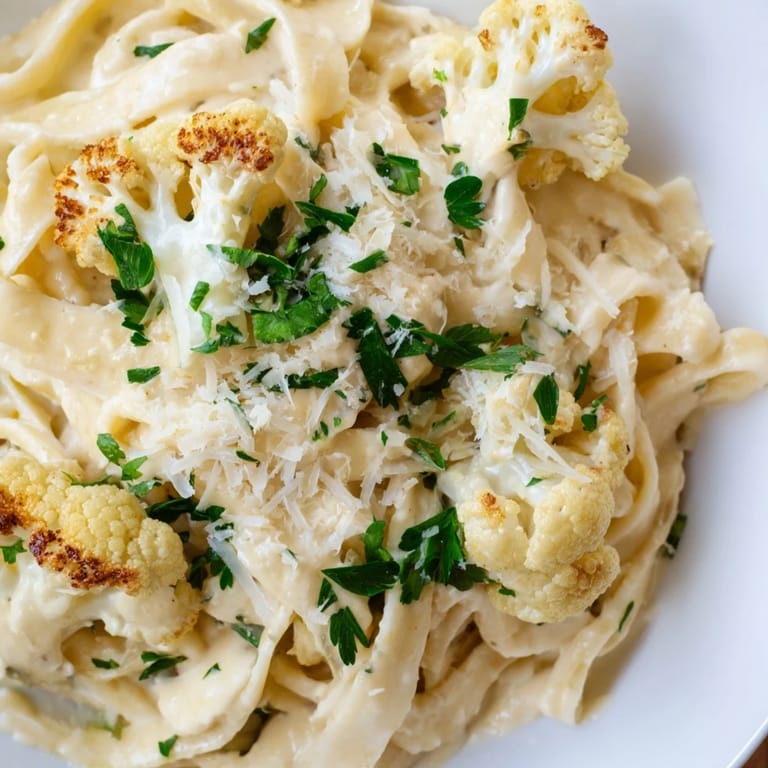
 My neighbor once brought over a jar of something pale and creamy, swearing it was Alfredo but made entirely from vegetables. I was skeptical until I tasted it warm over rigatoni, realizing the roasted cauliflower had turned into something so silky and rich I went back for thirds. That night I stood in my own kitchen, determined to crack the code, and by the time the oven timer rang, my apartment smelled like a Roman trattoria. Now this lighter version lives in my weekly rotation, fooling even the pickiest eaters at my table.
I made this for a friend who was trying to eat more vegetables but refused to give up comfort food. She sat at my counter, twirling fettuccine and squinting at the sauce, convinced I was hiding heavy cream somewhere. When I showed her the blender still coated in cauliflower puree, she laughed so hard she nearly knocked over her wine. That dish became our little secret, the one we'd make on nights when we wanted to feel virtuous and spoiled at the same time.
Ingredients
- Cauliflower: Choose a firm, creamy white head without brown spots, the fresher it is, the sweeter and nuttier it will taste once roasted.
- Garlic: Roasting whole cloves mellows their bite into something soft and almost sweet, blending seamlessly into the sauce without overpowering it.
- Whole Milk: The fat content makes the sauce luxuriously smooth, though you can swap in unsweetened almond or oat milk if you need a lighter option.
- Parmesan Cheese: Use real Parmigiano-Reggiano if you can, the aged, nutty flavor is worth it and a little goes a long way.
- Unsalted Butter: This adds richness and helps the sauce cling to every strand of pasta, so don't skip it even if you're tempted.
- Fettuccine: Wide, flat noodles cradle the sauce beautifully, but any pasta shape you love will work just fine.
- Nutmeg: Just a whisper of it brings warmth and a subtle complexity that makes people wonder what your secret ingredient is.
- Salt and Pepper: Season boldly, especially since cauliflower can taste flat without enough salt to bring out its natural sweetness.
- Fresh Parsley: A handful of chopped parsley on top adds a pop of color and a hint of freshness that balances the richness.
Tired of Takeout? 🥡
Get 10 meals you can make faster than delivery arrives. Seriously.
One email. No spam. Unsubscribe anytime.
Instructions
- Get the Oven Ready:
- Preheat your oven to 425°F and line a baking sheet with parchment paper so nothing sticks. This high heat is what turns the cauliflower golden and caramelized.
- Prep the Cauliflower:
- Toss the florets and whole garlic cloves with a tablespoon of butter, spreading them out in a single layer on the sheet. Make sure they have space to breathe so they roast instead of steam.
- Roast Until Golden:
- Slide the pan into the oven and roast for 25 to 30 minutes, stirring halfway through so everything browns evenly. You'll know it's done when the edges are deeply golden and the florets are fork-tender.
- Boil the Pasta:
- While the cauliflower roasts, bring a large pot of well-salted water to a boil and cook your pasta until al dente. Before draining, scoop out a cup of the starchy pasta water and set it aside.
- Blend the Sauce:
- Add the roasted cauliflower, garlic, remaining butter, milk, Parmesan, nutmeg, salt, and pepper to a blender and puree until completely smooth. If it's too thick, add pasta water a splash at a time until it's silky and pourable.
- Warm and Toss:
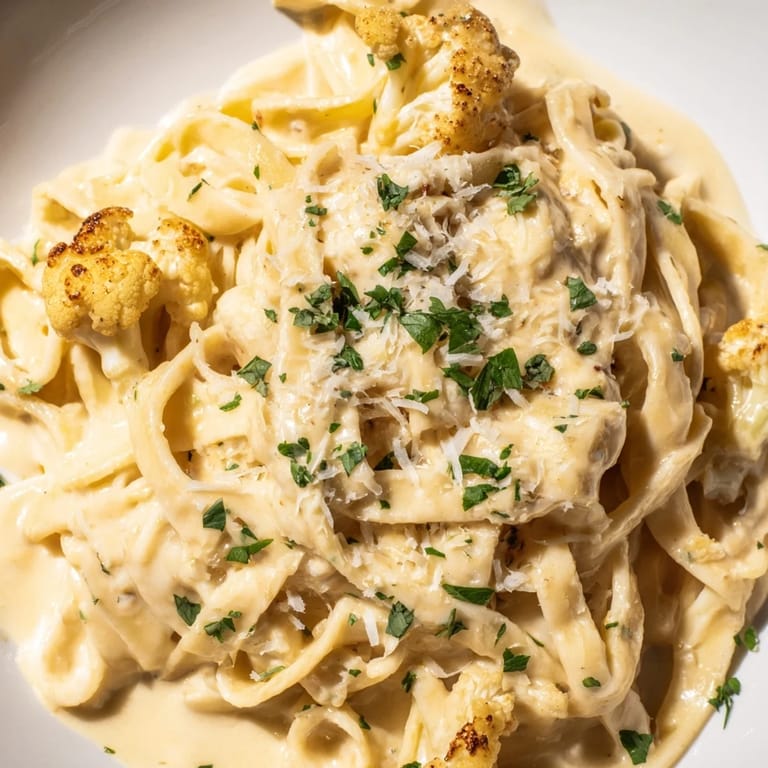
- Pour the sauce into a large skillet over medium heat and let it warm through until it just starts to simmer. Toss in the drained pasta and stir until every strand is coated and glossy.
- Serve and Garnish:
- Divide the pasta among bowls and finish with a sprinkle of fresh parsley and extra Parmesan if you're feeling generous. Serve it hot while the sauce is still clinging beautifully to the noodles.
 Pin It
 There was a rainy Tuesday when I made this for myself, no one else around, just me and a bowl of creamy pasta at the kitchen table. I remember feeling proud that I'd managed to turn a humble vegetable into something that tasted like a hug. It wasn't fancy or Instagram-perfect, but it was exactly what I needed, and that felt like enough.
Making It Your Own
Once you've nailed the basic recipe, it's easy to play around with flavors and textures. I've stirred in a handful of baby spinach right at the end for extra color, or added sautéed mushrooms for an earthy richness that pairs beautifully with the cauliflower. A squeeze of fresh lemon juice brightens the whole dish, cutting through the creaminess in a way that feels almost restaurant-quality. Some nights I'll toss in grilled chicken or roasted chickpeas to make it more filling, and it always works.
Storage and Reheating
This sauce keeps well in the fridge for up to three days, stored in an airtight container with a piece of plastic wrap pressed against the surface to prevent a skin from forming. When you're ready to reheat it, warm it gently in a skillet over low heat, adding a splash of milk or pasta water to loosen it back up. I've found that reheating it too quickly can make the sauce grainy, so patience is key. The pasta itself is best fresh, but leftovers still make a satisfying lunch if you don't mind a slightly softer noodle.
Serving Suggestions
I love serving this with a simple arugula salad dressed in lemon and olive oil, the peppery greens balance the richness of the sauce perfectly. Garlic bread or a crusty baguette on the side is never a bad idea, especially for soaking up any extra sauce left in the bowl. If you're feeding a crowd, double the recipe and set out bowls of extra Parmesan, red pepper flakes, and fresh herbs so everyone can customize their plate.
- Pair it with a crisp white wine like Pinot Grigio or a light-bodied red if you prefer.
- For a heartier meal, serve it alongside roasted vegetables or a protein like grilled shrimp.
- Leftovers can be baked into a casserole with a breadcrumb topping for a whole new dish the next day.
 Pin It
 This dish has a way of surprising people, turning skeptics into believers one creamy bite at a time. I hope it finds a place in your kitchen the way it has in mine, becoming the recipe you reach for when you want comfort without the heaviness.
Recipe FAQs
- → Can I make this sauce ahead of time?
Yes, you can prepare the sauce up to 2 days in advance. Store it in an airtight container in the refrigerator. Gently reheat on the stovetop over low heat, adding a splash of milk or pasta water to restore creaminess. Toss with freshly cooked pasta just before serving.
- → What pasta works best with this sauce?
Fettuccine is traditional and catches the sauce beautifully, but pappardelle, rigatoni, or even spaghetti work wonderfully. Choose broader noodles to hold the creamy sauce better than thin pasta varieties.
- → How do I make this dairy-free?
Substitute whole milk with unsweetened oat, almond, or cashew milk for a similar richness. Replace butter with olive oil or dairy-free butter, and use nutritional yeast or store-bought dairy-free Parmesan alternative for the cheese component.
- → Why is my sauce too thick or too thin?
The reserved pasta water is your secret weapon for consistency control. Add it gradually while blending until you reach your desired thickness. Remember the sauce will thicken slightly as it cools, so aim for a slightly looser consistency when blending.
- → Can I add vegetables to this dish?
Absolutely. Sautéed mushrooms, roasted broccoli, spinach, or sun-dried tomatoes all complement this sauce beautifully. Add them to the skillet with the cooked pasta, or toss them in just before serving for added nutrition and flavor.
- → What's the best way to store leftovers?
Store cooled pasta in an airtight container for up to 3 days. Reheat gently on the stovetop or in the microwave, adding a little milk or water to revive the sauce's creamy texture. The pasta tends to absorb moisture, so don't worry if it seems dry when cold.