 Pin It
 My neighbor Maria handed me a worn index card one afternoon while we were both grabbing mail, and on it was her grandmother's Greek black-eyed peas recipe. She mentioned it was the kind of dish that simmers while you go about your day, filling the kitchen with this warm, herbaceous perfume that makes everything feel intentional. I'd never paid much attention to black-eyed peas before, but something about the combination of tomatoes, oregano, and that golden olive oil made me curious enough to try it. The slow cooker method felt forgiving, almost foolproof, which is exactly what I needed that week. Now it's become one of those meals I make when I want something substantial but don't want to fuss.
I made this for a book club gathering on a rainy Tuesday, and it became the thing people actually wanted seconds of instead of the fancy appetizers I'd stressed over. Someone asked if it was a family recipe passed down, and I loved being able to say it came from a neighbor's handwritten card, which felt like its own kind of inheritance. That's when I realized comfort food doesn't need to be complicated, and sometimes the best dishes are the ones that let you show up present with your friends instead of exhausted in the kitchen.
Ingredients
- Dried black-eyed peas (2 cups): Rinse and pick through them first, even though it feels tedious, because the occasional pebble hiding in there is never a pleasant surprise mid-chew.
- Large onion (1, finely chopped): This is your base flavor, so don't rush it; let it soften into the background where it belongs.
- Garlic (3 cloves, minced): Fresh garlic makes all the difference here, transforming the dish from simple to deeply aromatic.
- Carrots and red bell pepper (2 carrots and 1 pepper, diced): The sweetness from these vegetables balances the earthiness of the peas beautifully.
- Canned diced tomatoes (1 can, 400g, undrained): Keep the juices; they're liquid gold for building your broth.
- Tomato paste (2 tablespoons): This concentrated punch of flavor is what gives the dish its depth and slight tang.
- Vegetable broth (4 cups): Use good quality broth, or at minimum, one that tastes like something you'd actually want to drink on its own.
- Extra virgin olive oil (1/3 cup): Don't skimp here; it's not just an ingredient but a core flavor note that defines the whole dish.
- Dried oregano (2 teaspoons): This is your Greek signature, so use it generously and let it perfume everything.
- Smoked paprika (1 teaspoon): It adds warmth and a subtle smokiness that makes people wonder what your secret is.
- Ground cumin (1/2 teaspoon, optional): This one's optional but adds an earthy undertone if you want a bit more complexity.
- Bay leaf (1): Essential for that layered flavor; just remember to fish it out before serving.
- Salt and black pepper: Taste as you go, because everyone's broth is different and you need to season to your own preference.
Tired of Takeout? 🥡
Get 10 meals you can make faster than delivery arrives. Seriously.
One email. No spam. Unsubscribe anytime.
Instructions
- Prep Your Peas and Vegetables:
- Rinse your black-eyed peas under cold water, picking through them with your fingers to catch any debris, then roughly chop your onion, garlic, carrots, and bell pepper. This front-loading work takes maybe ten minutes and makes everything after this point incredibly simple.
- Build Your Slow Cooker Base:
- Tumble all the prepared vegetables and peas into your slow cooker, then pour in the tomatoes with their juices, the tomato paste, and your vegetable broth. Drizzle the olive oil over everything, then sprinkle in the oregano, paprika, bay leaf, a pinch of salt and pepper, and stir everything together gently until it looks cohesive.
- Let Time Do the Work:
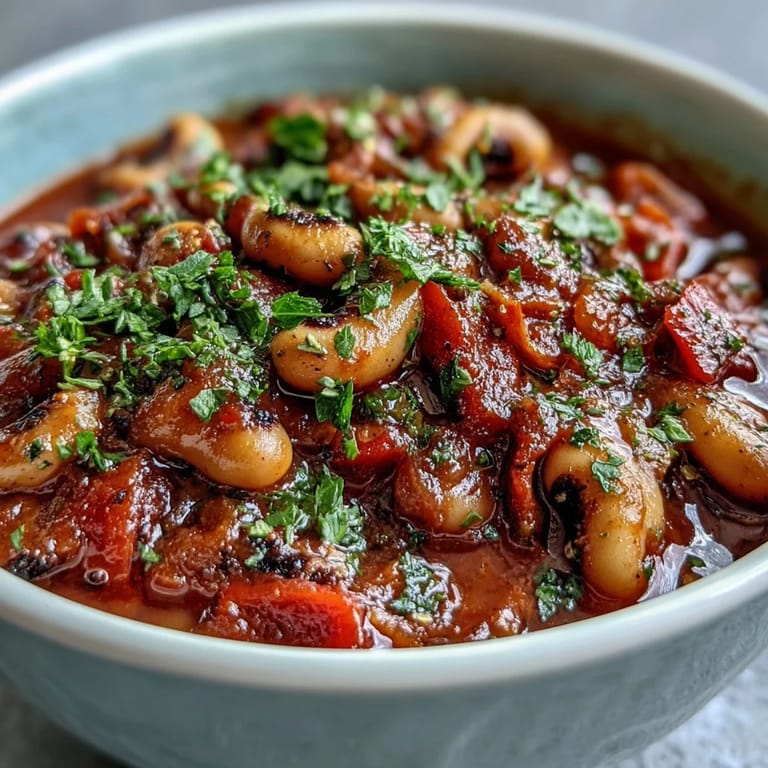
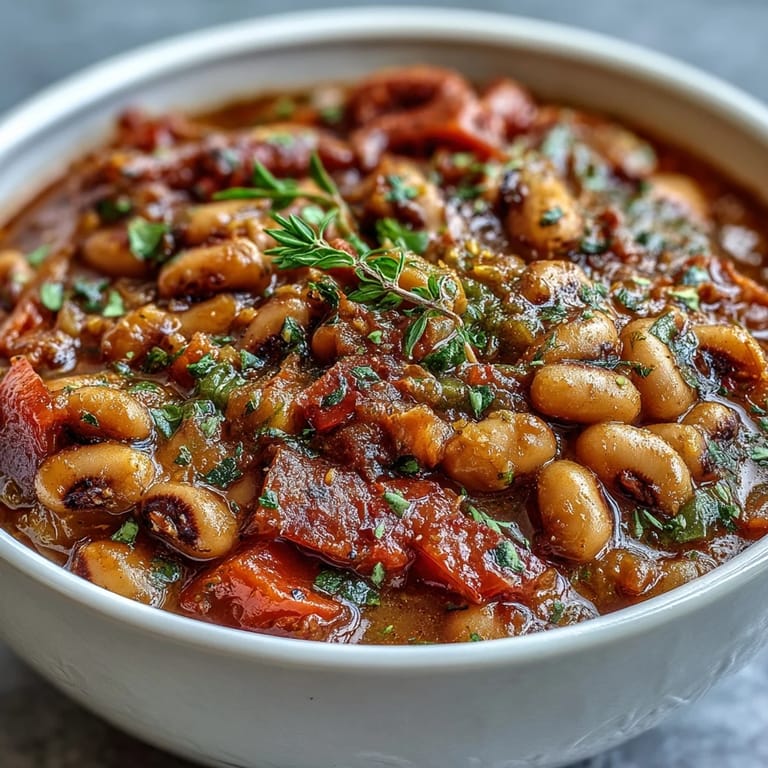
- Cover your slow cooker and set it to low for 6 to 7 hours, depending on how hungry you are and how much time you have. The peas should be tender enough to break apart with a wooden spoon, and the flavors should taste like they've known each other for years.
- Taste, Adjust, and Finish:
- Fish out the bay leaf, then taste a spoonful of broth and adjust the salt and pepper until it tastes right to you. This moment matters because slow cooking can muffle flavors, and a final seasoning adjustment brings everything into focus.
- Serve with Intention:
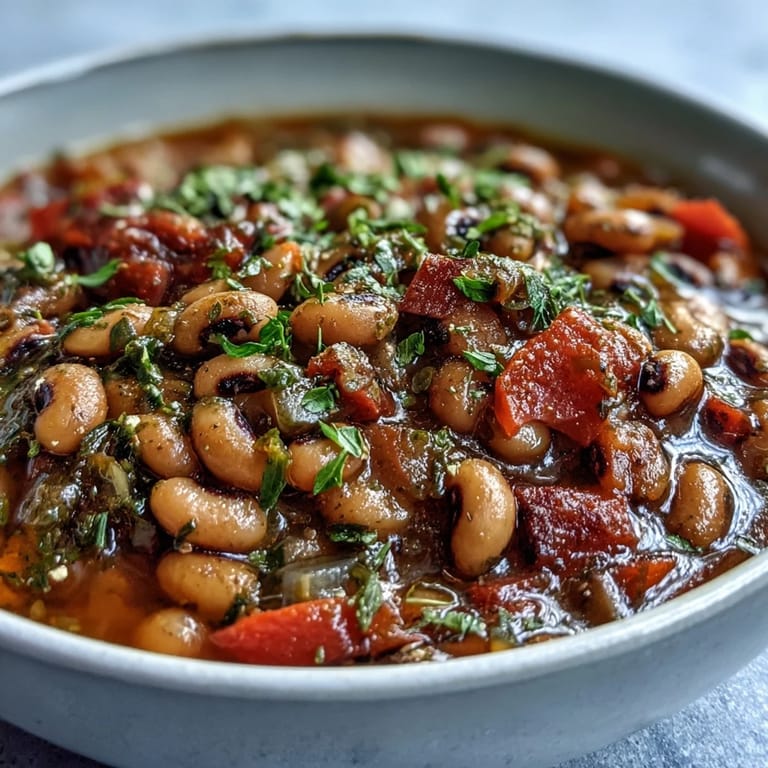
- Ladle the stew into bowls, then scatter fresh parsley over the top, add a crumble of feta if you like, and set a lemon wedge on the side so people can squeeze brightness into each spoonful.
 Pin It
 There was a moment when my daughter came home from school and stopped mid-hallway, just closing her eyes and breathing in the steam from the kitchen. She didn't even ask what we were having; she just said it smelled like something warm was happening. That's when I understood that these kinds of meals aren't really about the cooking at all, they're about the quiet signal that somebody cared enough to tend something slowly.
Why This Dish Feels Different
There's something almost meditative about slow cooker cooking that feels different from other methods. You're not standing at the stove checking, stirring, adjusting; instead, you're trusting the heat and time to work together. The result is this silky, deeply flavored stew where the peas don't fall apart but actually soften into themselves, and the broth becomes almost velvety from all the natural starches releasing slowly.
Building Flavor Layers
The secret to why this dish tastes so complete is that every ingredient is doing something specific. The tomato paste adds depth, the olive oil carries the oregano throughout, the paprika brings warmth, and the cumin, if you use it, adds a note of intrigue underneath everything else. It's not flashy or complicated, but it's composed in a way that feels intentional.
Stretching This Meal Further
The beauty of having a big pot of black-eyed peas is that it adapts to whatever your week needs. Serve it as a stew one night, over rice another, tucked into pita bread with feta on a third day, or even thinned with extra broth if you want a soup-like consistency. I've also added hearty greens like spinach or kale in the final thirty minutes, and it transforms the whole thing into something even more substantial without losing any of its essence.
- If you want it thicker, uncover during the last half hour of cooking and let some moisture evaporate naturally.
- Squeeze fresh lemon over your bowl just before eating to brighten everything and lift the flavors.
- This freezes beautifully for up to three months, so making a double batch pays dividends later.
 Pin It
 This dish reminds me that the best meals are often the simplest ones, made with good ingredients and time. Everything tastes better when someone else took care of it while you were living your life.
Recipe FAQs
- → Do I need to soak black-eyed peas before cooking?
No soaking is required for this slow cooker method. The long cooking time on low heat ensures the dried black-eyed peas become perfectly tender without pre-soaking.
- → Can I use canned black-eyed peas instead?
Yes, you can substitute canned black-eyed peas. Reduce the cooking time to 2-3 hours on low, and reduce the vegetable broth to about 2 cups since canned peas don't absorb as much liquid.
- → What can I serve with this dish?
Crusty bread for dipping, steamed rice, or quinoa make excellent accompaniments. A crisp green salad with lemon vinaigrette complements the Mediterranean flavors beautifully.
- → How long do leftovers keep?
Store leftovers in an airtight container in the refrigerator for up to 4 days. The flavors continue to develop, making it even more delicious the next day. It also freezes well for up to 3 months.
- → Can I make this on the stovetop instead?
Yes, simmer in a large pot over medium-low heat for 1.5-2 hours, or until the peas are tender. Add more broth as needed if the liquid reduces too quickly. Stir occasionally to prevent sticking.
- → Is this dish gluten-free?
Yes, all ingredients are naturally gluten-free. Always check labels on vegetable broth and processed ingredients to ensure no gluten-containing additives are present.