 Pin It
 The sharp aroma of lemon curd simmering on the stove still reminds me of the first time I baked this cake on a gray May morning, windows ajar to let in spring’s breeze. There was something wonderfully optimistic about making sun-bright curd while rain pattered on the glass—a cheerful rebellion against the weather. The real surprise, though, was how quietly therapeutic it felt to smooth silky whipped cream onto softly layered cake, the whole kitchen briefly smelling of citrus and vanilla. The edible flowers waited in a glass beside the sink, an exclamation mark of color I couldn’t stop glancing at. Each step turned into a small celebration of patience and reward.
One afternoon, I made this cake for my mother and my cousin at the last minute, dusting flour off my nose as they hovered at the kitchen doorway debating which flowers looked prettiest. Somehow, the impromptu debate over pansies versus violas became the best part of the day, laughter echoing between layers and lemon zest. By the time we sliced it, the whole table felt like it glowed with spring colors and gentle mischief. There were crumbs and petals everywhere, and no one seemed to mind. Sometimes, baking creates memories you didn’t plan to keep.
Ingredients
- All-purpose flour: This forms the backbone of the cake; measure carefully and sift to avoid lumps in the airy sponge.
- Baking powder and baking soda: Their combination encourages a tender rise—don’t forget to check they’re fresh every spring.
- Unsalted butter: Room temperature butter is essential for creaming; if you forget to soften it, microwave gently in five-second bursts.
- Granulated sugar: Cream thoroughly with butter until fluffy for that delicate crumb—rushing leads to a denser cake.
- Eggs: Room temperature eggs incorporate best; let them stand on the counter while you prep.
- Lemon zest and lemon juice: The juice brings brightness and the zest adds depth—grate zest before juicing to avoid slippery lemons.
- Vanilla extract: Adds a roundness that complements rather than competes with lemon—don’t skimp!
- Whole milk: The fat in whole milk keeps the sponge plush; cold milk can cause curdling, so ensure it’s not straight from the fridge.
- Powdered sugar (for whipped cream): Sifts easily into whipped cream for a pillowy topping; don’t overbeat.
- Heavy cream: Needs to be well-chilled for easy whipping; a metal bowl can help it hold peaks in warm kitchens.
- Edible flowers: Look for pesticide-free, food-grade blooms; rinse gently and pat dry with care.
Tired of Takeout? 🥡
Get 10 meals you can make faster than delivery arrives. Seriously.
One email. No spam. Unsubscribe anytime.
Instructions
- Prep the pans and oven:
- Switch on your oven to 350F (175C) and grease three 8-inch pans, lining their bottoms with parchment so the cakes drop out without a fight.
- Mix the dry ingredients:
- Whisk together flour, baking powder, baking soda, and salt; pause a moment to watch the flour drift, light as fairy dust.
- Cream butter and sugar:
- Beat the soft butter and sugar until it transforms from gold to pale and comes together like thick clouds.
- Incorporate eggs and flavors:
- Add eggs one at a time, then slip in zest, juice, and vanilla, letting the batter brighten and perfume the room.
- Combine with milk and dry mix:
- Add flour and milk in turns, being gentle and stopping when just barely mixed—too much enthusiasm leads to tough cake.
- Divide and bake:
- Scoop batter into pans and level tops; bake 25–28 minutes, listening as the kitchen fills with sweet anticipation.
- Cool the cakes:
- Let cakes catch their breath in pans for 10 minutes, then turn onto racks to cool completely, resisting the urge to stack while warm.
- Make the lemon curd:
- In a saucepan, whisk eggs, sugar, zest, and juice; stir constantly as it thickens, then melt in butter for a glossy finish. Cover directly with plastic to avoid skin forming and chill till needed.
- Whip the cream:
- Beat cream, powdered sugar, and vanilla until firm peaks hold; stop the mixer as soon as it stands proud, as overmixing turns it grainy.
- Assemble your cake:
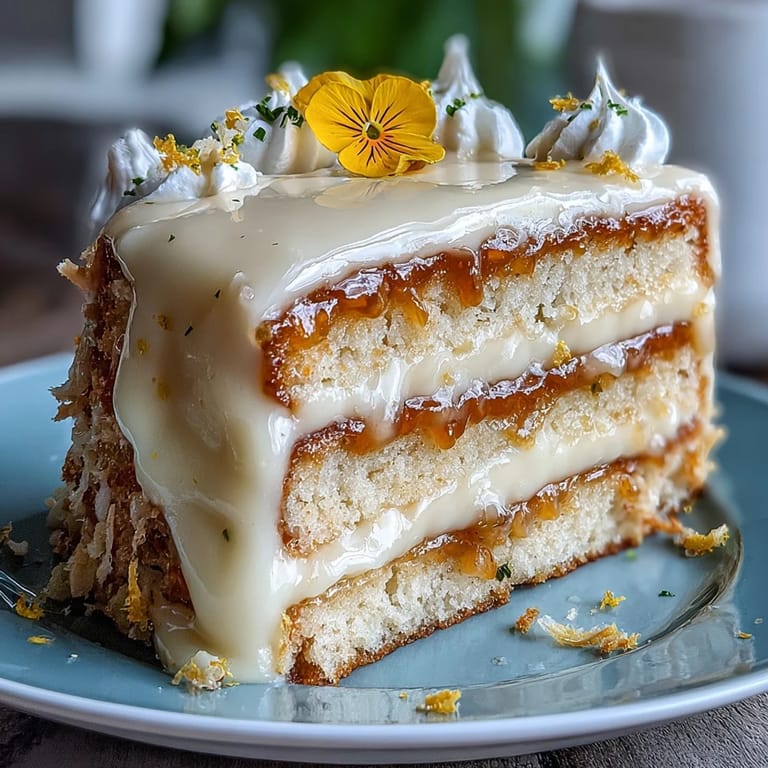
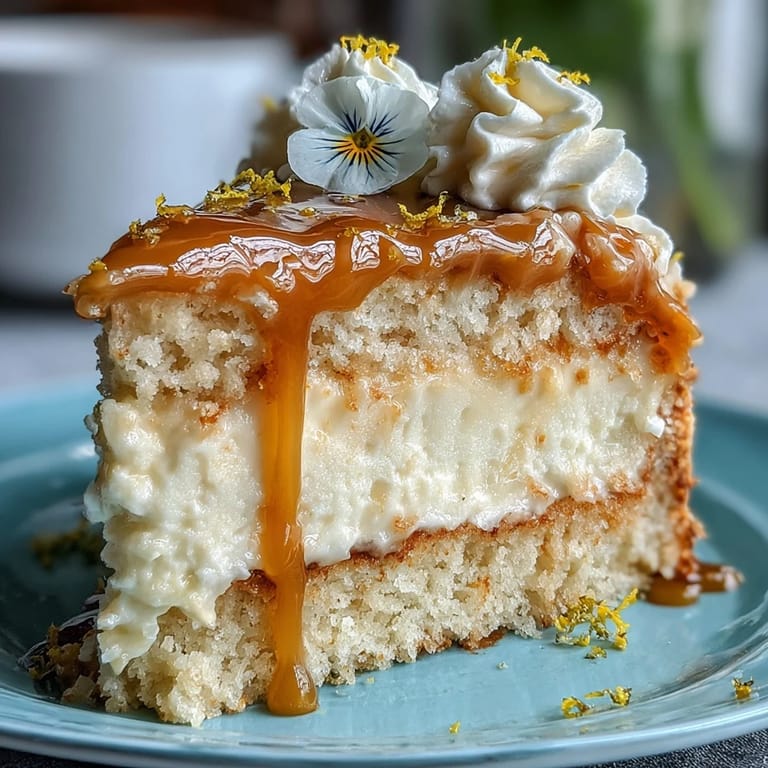
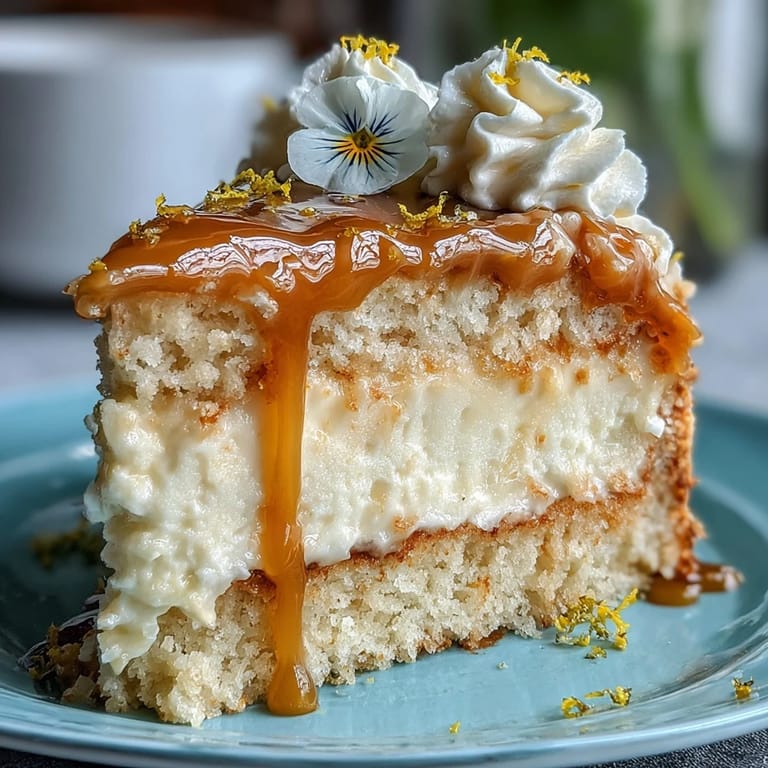
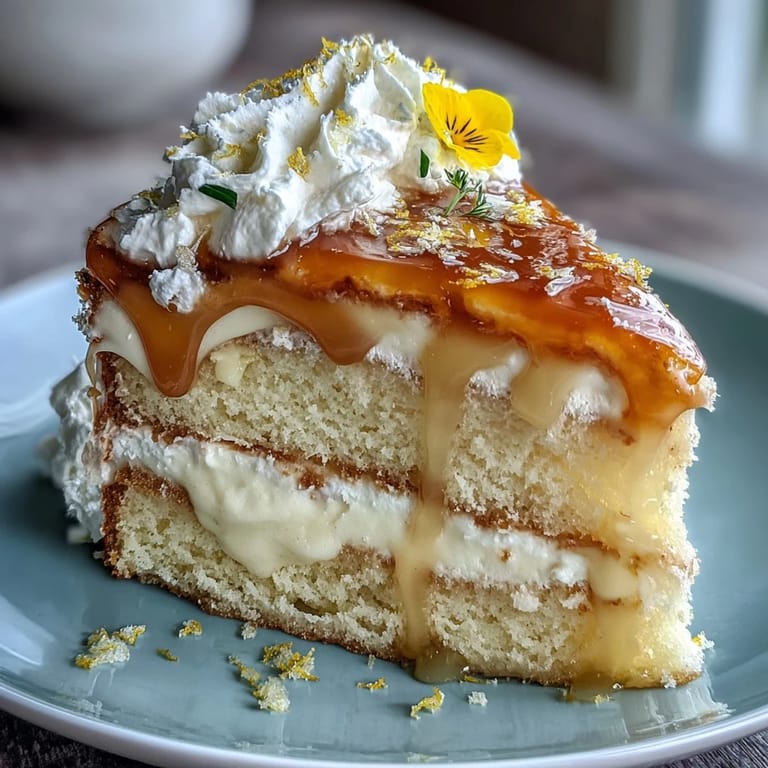
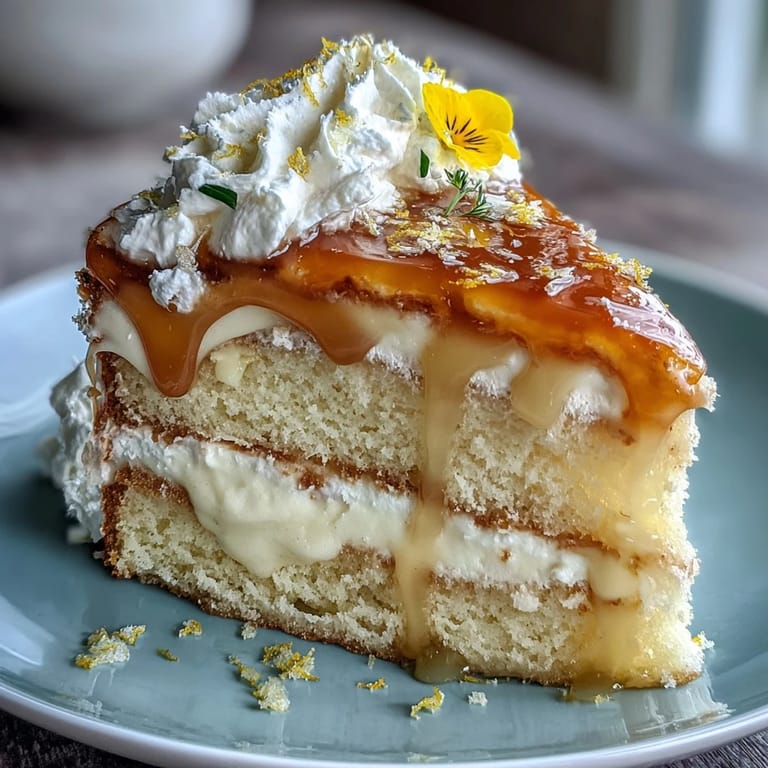
- On your cake plate, spread a generous smear of whipped cream on the first layer, spoon over lemon curd, then repeat, finishing with cream on top and sides.
- Decorate with flowers:
- Right before serving, let your creativity loose and arrange edible flowers gently; there’s no rule except delight.
 Pin It
  Pin It
 It was late afternoon when I brought the cake outside, and the light caught the flowers like little stained glass windows on cream—everyone paused, even the dog, as if this cake had changed the weather. Sharing those first fragrant slices, I realized the act of making it had stitched its own celebration into the day. I’ve kept the pressed petals since, silly as it sounds, tucked in a recipe journal as proof of the simplest kind of magic.
Choosing and Using Edible Flowers
When it comes to edible flowers, trust a reputable supplier and double-check which blooms are truly safe; not every pretty petal belongs on a plate. Pansies are sturdy and sweet, violas bring a peppery bite, and nasturtiums have a citrus zing that picks up the lemon notes. Snip stems just before decorating, arrange lightly so the cream stays fluffy, and resist the temptation to overdo it—a little goes far. You’ll know you got it right when everyone leans in close to admire before they taste. The flowers don’t need to be perfect, but they should make you smile.
Make-Ahead Magic
There’s a wonderful calm in making the cake layers and lemon curd a day before—suddenly, assembly feels like playtime instead of a scramble. Wrap cakes well to keep them moist and tuck the curd in the coldest fridge spot, letting all the flavors deepen overnight. This little bit of planning gives you time to search for the prettiest edible flowers without flour dust on your clothes. On Mother’s Day morning, all you’ll need is your mixer and some music. The hardest work is already behind you.
Troubleshooting and Quick Fixes
Sometimes the lemon curd looks lumpy or the cream softens in a warm kitchen, but there’s nearly always a way back. If the curd thickens too much, whisk in a teaspoon of hot water at a time off the heat. Cakes that stick can be coaxed out by running a thin knife around the pan’s edge. Frosting hides a thousand sins—just swirl boldly, and remember the flowers draw all eyes anyway.
- If out of fresh lemon juice, bottled works in a pinch but lacks zest’s real zing.
- Chilled metal bowls make whipped cream easier, especially on a summer day.
- Always verify your edible flowers come from a trusted, chemical-free source.
 Pin It
  Pin It
 Cake this bright and delicate doesn’t last long on the table. Here’s hoping your kitchen fills with as much laughter (and lemon scent) as mine did.
Recipe FAQs
- → How do I prevent the lemon curd from curdling?
Cook the curd over low to medium heat and whisk constantly. Temper the eggs by slowly adding a bit of the hot mixture to them before returning to the pan. Remove from heat once it thickens and strain if needed, then chill with plastic wrap touching the surface to avoid a skin.
- → Can the cake layers be made ahead of time?
Yes. Once cooled, wrap each layer tightly and refrigerate up to 2 days or freeze for longer storage. Thaw in the fridge before assembling to retain texture and moisture.
- → How can I keep the whipped cream stable between layers?
Chill the bowl and beaters, use cold heavy cream, and beat to stiff peaks. For extra stability, fold in a small amount of mascarpone or sifted powdered sugar; assemble shortly before serving to avoid weeping.
- → Are edible flowers safe to use on the cake?
Use only food-grade, pesticide-free flowers such as pansies, violas, nasturtiums, or certain roses. Rinse gently, pat dry, and verify the source before decorating.
- → How do I prevent the lemon curd from leaking out of the layers?
Chill the curd until it firms, then spread a thin barrier of whipped cream around the edge of each layer to act as a dam before adding the curd. Chill the assembled cake briefly to help set the layers.
- → Can I add fresh berries between the layers?
Yes—fresh berries add brightness. Pat berries dry or macerate briefly with a touch of sugar, then layer sparingly to avoid excess moisture that can make the cake soggy.