 Pin It
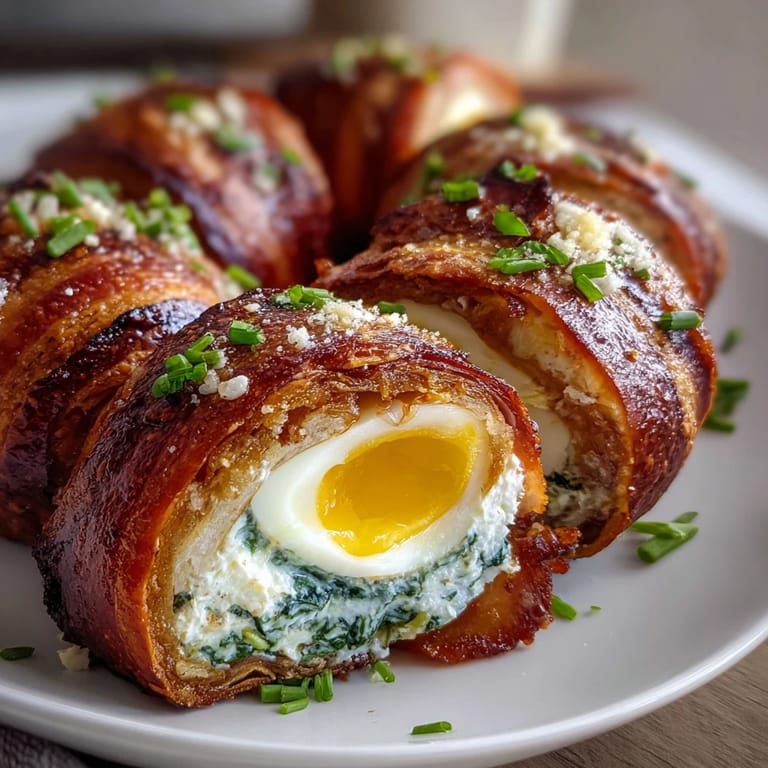
 My sister called me in a panic the morning of Easter dinner, asking if I could bring something impressive. I'd just been flipping through an old Italian cookbook when her call came through, and there it was—a picture of this stunning pie with golden pastry and perfectly sliced hard-boiled eggs revealing themselves when cut. Something about it felt right for spring, like edible hope wrapped in buttery dough. That day taught me that the best recipes arrive exactly when you need them.
I'll never forget watching my grandmother's face when we unveiled the pie that Easter. She'd grown up making these in Naples, and she'd never mentioned it to me before—suddenly she was pointing out details I'd gotten exactly right, nodding with this quiet satisfaction. My nephew asked for seconds before anyone else had finished their first slice, which felt like the highest compliment a twelve-year-old could offer.
Ingredients
- Puff pastry (2 sheets, about 500 g): This is where the magic happens—keep it cold until the moment you need it, and don't skip the thawing time if it's frozen, or your filling will make it soggy before it even reaches the oven.
- Ricotta cheese (250 g): The creamy backbone that holds everything together; if you can find whole milk ricotta from an Italian market, it makes a noticeable difference in texture and richness.
- Cooked ham (150 g, diced): Buy good ham and dice it yourself rather than using pre-packaged, as the texture will be less mushy and the flavor cleaner.
- Baby spinach (100 g, wilted and chopped): Wilt it gently in a dry pan just until it releases its moisture, then squeeze it dry with your hands—this prevents the filling from becoming watery.
- Grated Parmesan cheese (80 g): Don't use the pre-grated stuff if you can help it; a box grater and a wedge of real Parmigiano-Reggiano transforms this from good to remarkable.
- Large eggs (3 for filling, 4 hard-boiled for center): The three eggs bind everything together, while the four hard-boiled ones are your showstopping surprise inside.
- Ground nutmeg (1/2 tsp): Just a whisper of it—nutmeg can overpower quickly, but this amount adds a subtle warmth that reminds you this is Italian comfort food.
- Black pepper and salt (1/2 tsp each): Season as you mix, then taste again; you might find you don't need the full amounts once the salty cheese and ham join the party.
- Olive oil (1 tbsp): A good quality one here makes the filling silky without needing heavy cream or butter.
- Egg wash (1 egg yolk mixed with 1 tbsp milk): This gives the pastry that glossy, magazine-cover golden finish that makes people think you spent all day on this.
Tired of Takeout? 🥡
Get 10 meals you can make faster than delivery arrives. Seriously.
One email. No spam. Unsubscribe anytime.
Instructions
- Heat your oven and prepare the pan:
- Preheat to 190°C and grease your 23 cm springform or pie pan generously. This step matters more than you'd think—a well-greased pan means the finished pie releases cleanly and looks intentional rather than damaged.
- Line with the first pastry sheet:
- Lay one sheet of puff pastry into the pan, pressing it gently into the corners and bottom, and let it hang over the edges like a blanket. You'll trim it later, so don't stress about perfect placement now.
- Build your ricotta mixture:
- Combine ricotta, diced ham, wilted spinach, Parmesan, the 3 eggs, nutmeg, pepper, salt, and olive oil in a large bowl. Stir until smooth and creamy, but don't overwork it—this isn't bread dough.
- Create the foundation layer:
- Spread half your ricotta mixture evenly into the pastry-lined pan, using a spatula to smooth it out. This base holds your hard-boiled eggs in place and keeps them centered.
- Position your hard-boiled eggs:
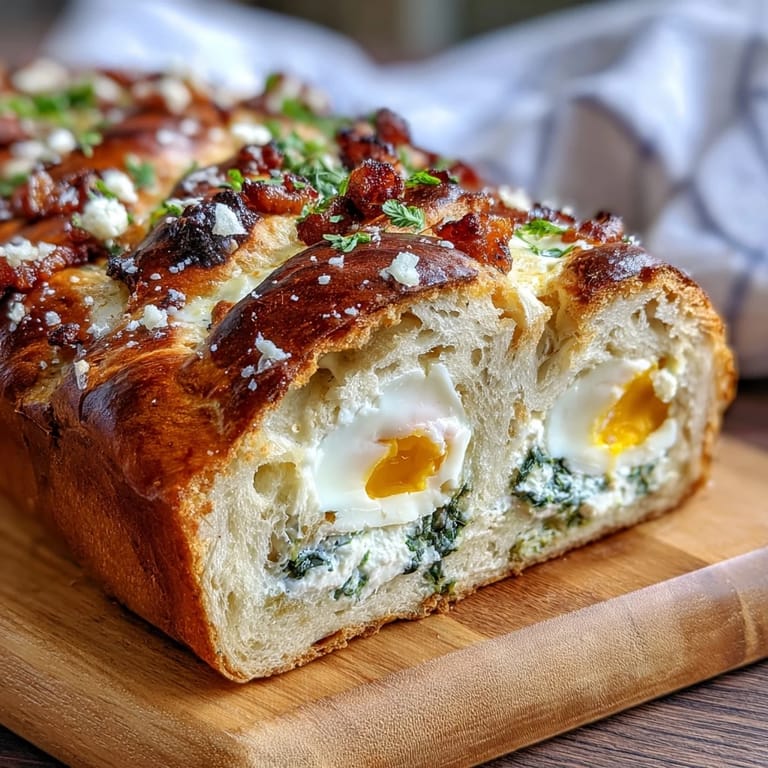
- Gently press the four whole peeled eggs horizontally in a line through the filling, creating little grooves first if it helps them sit stable. They'll create those beautiful cross-sections when sliced, which is the whole reason we're doing this.
- Seal with the remaining filling:
- Spread the rest of your ricotta mixture over the top, smoothing it completely so no egg whites peek through. This layer becomes almost a custard as it bakes.
- Top with the second pastry sheet:
- Place the second puff pastry sheet over everything, trim the overhanging edges with a sharp knife, and then crimp around the perimeter decoratively with a fork. This seals it all in and looks intentional rather than rough.
- Add the golden finish:
- Whisk your egg yolk with milk and brush it generously over the top pastry. This egg wash is what gives you that beautiful, caramelized golden color that makes people photograph your pie.
- Create steam vents:
- Using a small sharp knife, cut a few slits in the top pastry to let steam escape. Three or four small cuts are enough—you're not creating an art project, just preventing the pastry from puffing unevenly.
- Bake until golden:
- Slide it into your preheated oven for 40 to 45 minutes, watching around minute 35 so you can catch it the moment it turns deep golden brown. The pastry should be puffed and crispy, and the filling should feel set when you gently press the top.
- Cool before cutting:
- Let it rest at least 20 minutes after coming out of the oven—this sounds hard but it's essential. The filling firms up, making it sliceable rather than runny, and the flavors settle into something more cohesive.
 Pin It
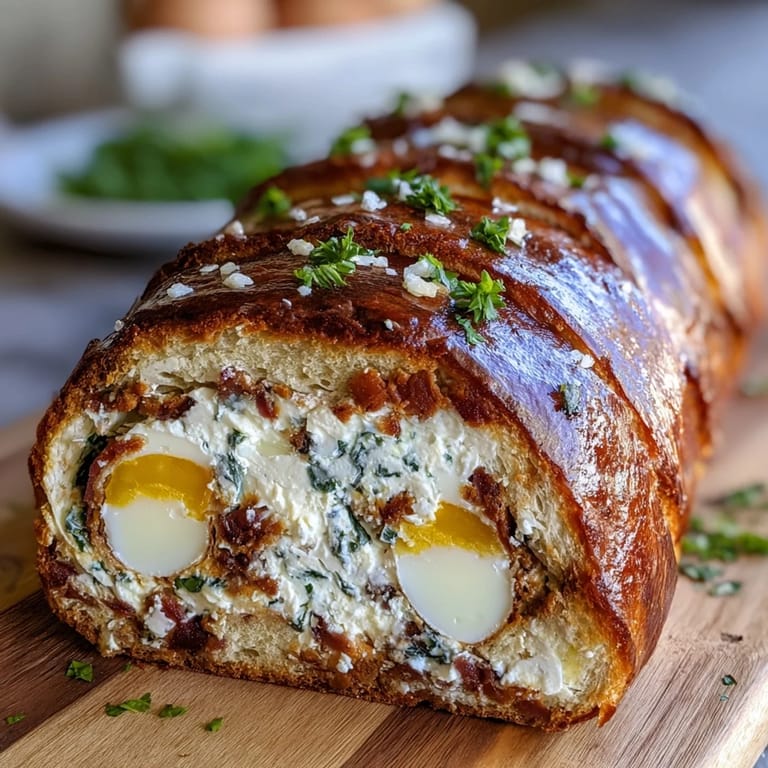
 There's a moment when you pull this pie out of the oven and the kitchen fills with this savory, eggy, slightly herbaceous steam—that's when you know it's going to be something memorable. It's not just a dish anymore; it's a centerpiece, a conversation starter, proof that you care enough to make something with actual technique involved.
Why This Pie Became My Spring Tradition
After that first Easter, I started making this whenever spring felt like it needed a proper entrance. There's something about serving a whole pie that feels ceremonial—you're not just feeding people, you're creating a moment where everyone gathers around the table and waits for you to cut into it. The hard-boiled eggs inside became this little secret that delighted people every single time, even though they could see the eggs before cutting.
What to Serve Alongside It
This pie stands confidently on its own, but I've found it comes alive with simple accompaniments that don't compete with its richness. A bright green salad with lemon vinaigrette cuts through the creaminess beautifully, and a crisp white wine—something like Pinot Grigio or Vermentino—feels right alongside it. Some people add fresh crusty bread for wiping up the filling that inevitably escapes, though honestly that's already a delicious mess.
Making It Ahead and Storage
One of the genuine joys of this recipe is that you can assemble it entirely the night before, cover it, and refrigerate until you're ready to bake. Pull it directly from the cold fridge into the preheated oven—no thawing needed, and in fact the cold filling helps keep the bottom crust from getting soggy. Leftovers keep beautifully for three or four days, tasting honestly just as good at room temperature as they do warm, which makes this a perfect recipe for eating again the next day without any reheating required.
- You can prepare everything except the final egg wash the evening before, which means morning-of stress is minimal.
- Serve it warm straight from the oven, at room temperature an hour after cooling, or even straight from the refrigerator if you prefer it chilled.
- Wrap any leftovers well and they'll keep in the fridge for up to four days, though they rarely last that long in my house.
 Pin It
 This pie taught me that the most impressive dishes are often the ones where you let quality ingredients do most of the talking. Every time someone cuts into it and sees those eggs, I see that same look of delight on their face, and that's worth every careful layer.
Recipe FAQs
- → How do I prevent the pastry from becoming soggy?
Use puff pastry sheets thoroughly thawed but still cold, and press the filling gently to avoid excess moisture. Baking until golden and letting the pie cool before slicing also helps maintain a crisp crust.
- → Can I substitute the spinach with other greens?
Yes, Swiss chard or kale work well as alternatives, offering similar texture and flavor balance to the filling.
- → What’s the best way to arrange the hard-boiled eggs inside?
Create shallow grooves in the filling and nestle the peeled hard-boiled eggs horizontally in a line for an attractive presentation when sliced.
- → How can I add extra herb flavor to the filling?
Fresh herbs like parsley or basil can be chopped finely and folded into the ricotta mixture before assembling the pie.
- → Is it better to serve this dish warm or at room temperature?
Both work well; warm serves the flaky pastry and creamy filling at their best, while room temperature allows flavors to meld nicely.