 Pin It
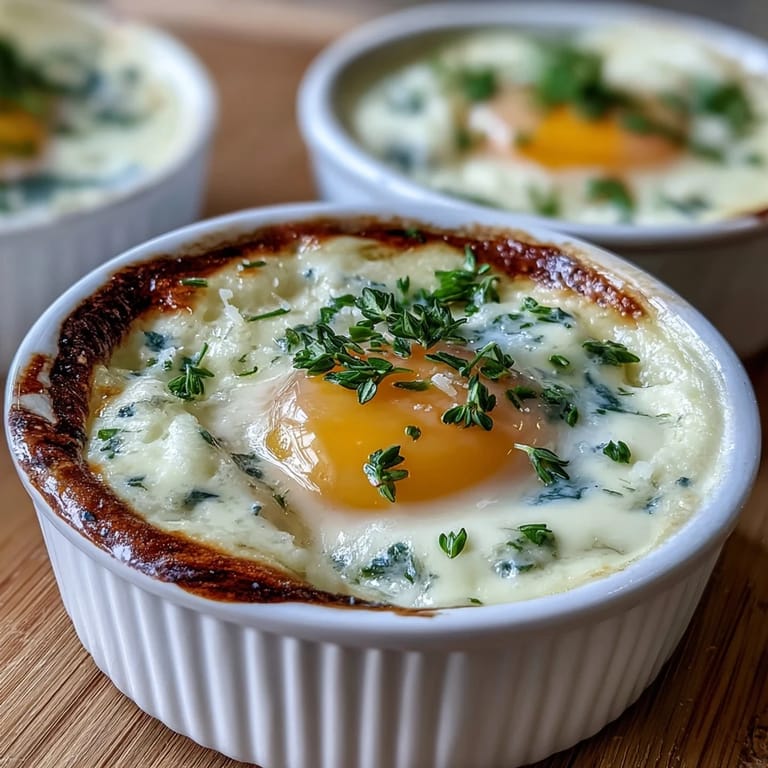
 The delicate sizzle of cream hitting a hot ramekin always draws me into the day, and making eggs en cocotte on Easter morning became a bit of an unspoken tradition for me. I remember the first time I tried this dish, half-guessing at the water bath technique and crossing my fingers for silky yolks. The gentle aroma of butter and herbs drifting from the oven made the whole kitchen feel like an elegant Parisian café. There’s a thrill in seeing the egg whites just set, quivering as I carried them to the table. These little pots always spark a sense of playful anticipation—what hidden flavors might be under that cloudlike top?
One early spring, we gathered around the table after a wander through the farmer’s market, still bundled in our scarves. I slipped the ramekins into the oven as chatter filled the kitchen and the kettle steamed the windows. When the eggs emerged, each serving was like a little gift, and someone always seemed to exclaim in delight at the first spoonful. It’s these low-key celebrations with friends that keep this recipe on repeat, whether it’s Easter or just a drizzly Tuesday.
Ingredients
- Unsalted butter: Greasing the ramekins with butter guarantees a delicate richness and a golden edge—don’t skimp, and dotting extra on top helps with browning.
- Heavy cream: Pooled at the bottom, cream cushions the eggs and turns lusciously thick as it bakes—no substitutes capture its silkiness.
- Grated parmesan cheese: The nutty depth of parmesan creates an irresistible crust; a microplane grater makes for the finest snow-like shreds.
- Large eggs: Use the freshest eggs you can find for bright, perky yolks that hold shape in the oven.
- Fresh chives and parsley: These herbs brighten everything—chop at the last minute for a true flavor pop.
- Fresh thyme leaves: Just a sprinkle gives the eggs an earthy note that lingers softly but never overwhelms.
- Salt and freshly ground black pepper: A pinch of each is all you need; seasoning each layer draws out the most flavor.
- Optional: Extra chives or parsley, finely chopped: For a celebratory look and final burst of herbal freshness, scatter them right before serving.
Tired of Takeout? 🥡
Get 10 meals you can make faster than delivery arrives. Seriously.
One email. No spam. Unsubscribe anytime.
Instructions
- Heat it up:
- Set the oven to 375°F (190°C) and get your kettle humming—those eggs won’t wait for cold water.
- Prepare the vessels:
- Generously grease each ramekin with butter, making sure to swipe up the sides for easy unmolding later.
- Creamy base layers:
- Pour two tablespoons of heavy cream into the bottom of every ramekin; it should coat the surface but not drown the eggs.
- Herb and cheese sprinkle:
- Scatter half your herbs and a touch of parmesan over the cream so every bite gets a punchy start.
- Add the eggs:
- Crack two eggs gently into each ramekin, taking care to keep the yolks whole—a little jiggle tells you they survived.
- Season and top:
- Sprinkle the rest of the herbs and parmesan over the eggs, add salt and pepper, and dot with tiny pebbles of butter for sheen.
- Bake in a water bath:
- Set the ramekins in a deep baking dish and pour boiling water around them until it comes halfway up the sides to ensure gentle, even cooking.
- Let them bake:
- Cook for about 12 to 15 minutes, peeking at the whites—they should just set while the yolks wobble in the center; longer baking makes them firmer.
- Finish and serve:
- Let the ramekins cool for a couple minutes, then shower with fresh herbs if you’re feeling fancy. Serve straight from the cups—just warn everyone that the pots are hot.
 Pin It
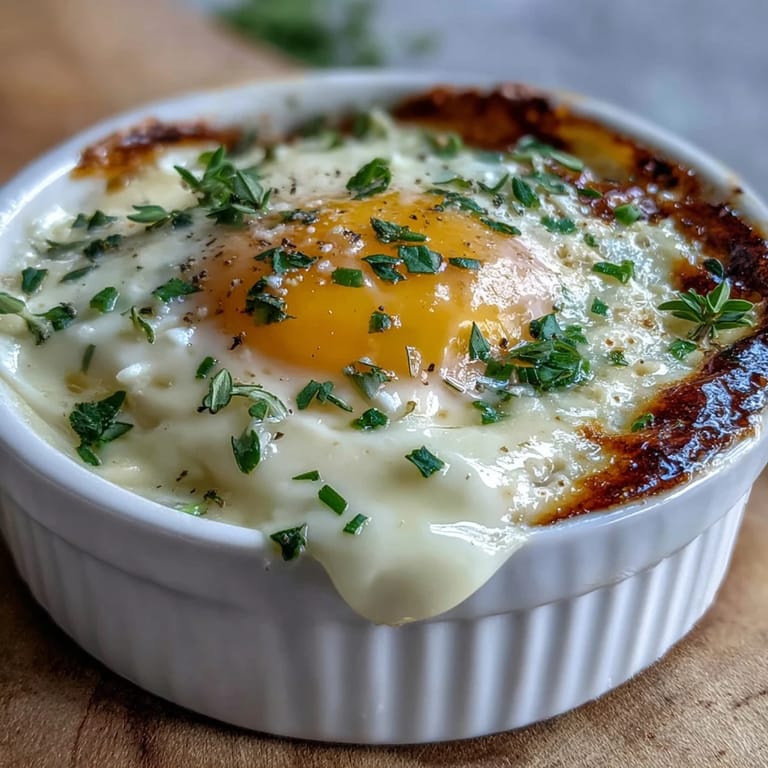
 I’ll never forget the quiet contentment the first time I brought one of these ramekins to my grandmother for brunch. She poked gently at the yolk, grinned at the creamy pool underneath, and declared it a new ‘special occasion’ dish—one that’s made every family brunch feel a little more celebratory ever since.
How to Build Flavor In Every Layer
A dash of parmesan at the bottom and top coaxes out a nutty savor that seeps into the eggs as they bake. Layering fresh herbs right on the cream ensures their aroma blooms with the gentle oven heat. Mixing and matching cheeses with abandon (Gruyere one morning, tangy goat cheese the next) keeps the experience surprising—just don’t overload or you’ll overshadow the eggs.
Choosing The Best Eggs and Dairy
When I started picking up eggs from the farmer’s market, I noticed the difference immediately: those sunny yolks sit higher and taste creamier. Full-fat cream is crucial for luscious texture—any lighter, and you lose that signature spoon-coating richness. If you’re feeling bold, swap in crème fraîche for a tangy twist, but avoid milk, which will bake into blandness instead of custard.
Serving Ideas For Every Occasion
This dish moves easily from festive brunch to cozy supper with just a change in company and side dish. I’ve served eggs en cocotte alongside a crisp green salad and toasted brioche, but they’re just as good on a weeknight with sautéed asparagus or a spoonful of pesto stirred right in. Adding a layer of smoked salmon turns the whole thing into a showstopper.
- Don’t be shy with fresh herbs at the end—they wake up each bite.
- A good bread is a must for scooping every last drop of creamy custard.
- Let guests spoon their own eggs so nobody misses the delight of that saucy center.
 Pin It
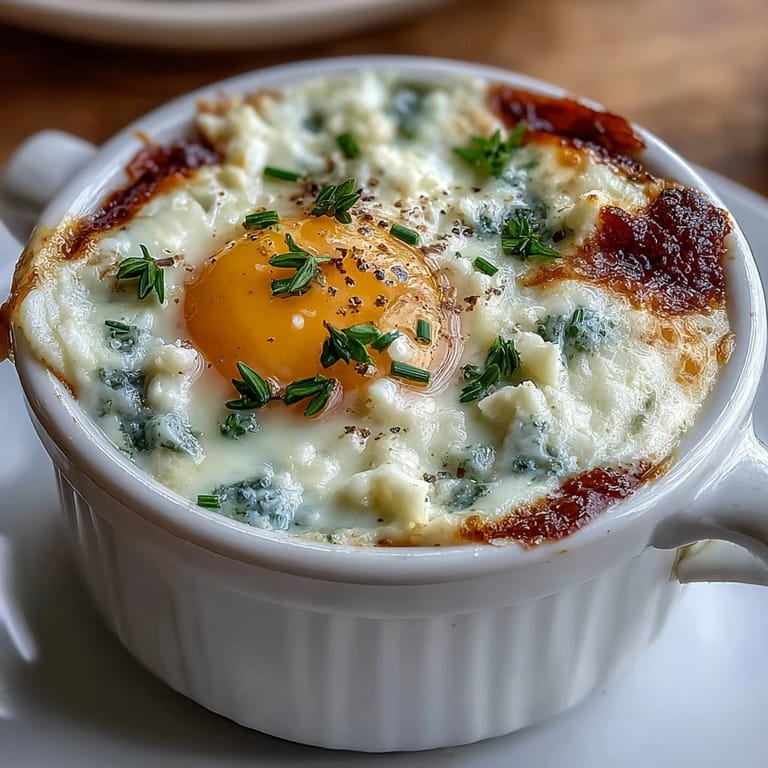
 Eggs en cocotte always remind me that a simple dish, made thoughtfully, can turn any day into something worth celebrating. I hope your table is filled with good company—and extra bread for dipping.
Recipe FAQs
- → How do I achieve runny yolks?
Bake 12 minutes for soft, runny yolks; check at 10–12 minutes as ovens vary. Add 2–3 minutes for firmer yolks. Remove from the water bath promptly and let rest 1–2 minutes; carryover heat will set the whites without overcooking the yolks.
- → Can I swap parmesan for another cheese?
Yes. Gruyère adds a nutty meltiness, goat cheese brings tang, and Comté offers depth. Use a similar quantity and scatter finely grated or crumbled cheese so it melts evenly over the custard.
- → Any tips for preventing watery whites?
Use room-temperature eggs to reduce condensation. Avoid overcooking the custard and ensure the water bath reaches halfway up the ramekins but doesn’t spill inside. Drain any excess water before serving.
- → Can this be prepared ahead of time?
Assemble ramekins up to a day ahead, cover and refrigerate. Bring them close to room temperature before baking and extend baking time by a few minutes. For fully cooked make-ahead portions, reheat gently in a water bath to avoid toughening yolks.
- → What can I add for more flavor or substance?
Layer smoked salmon, sautéed spinach, mushrooms or a thin slice of ham under the eggs before baking. A light sprinkle of lemon zest or a pinch of smoked paprika brightens the finished dish.
- → How should leftovers be stored and reheated?
Refrigerate leftovers in an airtight container up to 48 hours. Reheat gently in a 300°F oven or in a water bath until warmed through to preserve yolk texture; avoid microwaving if you want to keep yolks soft.