 Pin It
 There's something about the smell of butter and flour hitting a hot pan that instantly transports me to simpler times. My roommate in college would always request mac and cheese on Sunday evenings, and I learned that the secret wasn't fancy ingredients or complicated techniques—it was the willingness to stand there, whisk in hand, and let the béchamel come together without rushing. That ritual of making something warm and deeply comforting for people you care about never gets old.
I made this for a dinner party once where everything else went slightly wrong—the salad got soggy, the wine arrived late—but the moment that baking dish came out of the oven, bubbling and golden, it didn't matter anymore. People gathered around it like it was the whole point of the evening, because in that moment, it was.
Ingredients
- Elbow macaroni (350 g): Cook it just shy of the box instructions so it stays tender but doesn't turn mushy when folded into the hot cheese sauce.
- Unsalted butter (3 tbsp): This is your base for the béchamel—use real butter, not the substitutes, because you'll taste the difference immediately.
- All-purpose flour (3 tbsp): The thickening agent that transforms milk into something luxurious; whisk it smooth to avoid lumps.
- Whole milk, warmed (2 cups): Warming it beforehand means a smoother sauce with fewer lumps—I learned this the hard way.
- Heavy cream (1 cup): This is what makes it feel like an indulgence rather than just a quick dinner.
- Sharp cheddar cheese, grated (200 g): The backbone of flavor—don't use pre-shredded if you can help it, as it contains anti-caking agents that won't melt as cleanly.
- Gruyère or Swiss cheese, grated (75 g): This adds a subtle nuttiness that elevates the whole dish beyond ordinary.
- Parmesan cheese, finely grated (50 g): A little goes a long way here; it brings umami and a slight sharpness that rounds out the blend.
- Dijon mustard (1 tsp): Just a whisper of it, but it brightens the cheesy richness without making the dish taste mustardy.
- Garlic powder, onion powder, salt, pepper, cayenne (½ tsp each, plus adjustments): These seasonings are quiet but essential; they prevent the cheese sauce from tasting one-dimensional.
- Panko breadcrumbs (½ cup): For the baked version, these stay crispy on top while everything underneath melts together.
- Melted butter for topping (2 tbsp): This tossed with the breadcrumbs ensures they brown evenly and stay crunchy.
Tired of Takeout? 🥡
Get 10 meals you can make faster than delivery arrives. Seriously.
One email. No spam. Unsubscribe anytime.
Instructions
- Start your pasta and prep your space:
- Preheat your oven to 200°C if you're going the baked route, and get a baking dish ready. Bring a large pot of salted water to a rolling boil and add your macaroni, cooking it about 1–2 minutes under the package instructions so it's still got a little give.
- Build the foundation with a roux:
- Melt butter in a large saucepan over medium heat, then whisk in the flour and let it toast for a minute or two until it smells nutty and light golden—this removes the raw flour taste and creates the thickening base. Don't let it brown or you'll have a harder time getting a smooth sauce.
- Bring in the cream and milk:
- Slowly pour in your warmed milk and cream while whisking constantly, like you're coaxing something delicate to life. Once it's in, keep stirring until it thickens into something that coats the back of a spoon, about 4–5 minutes.
- Season with intention:
- Reduce the heat to low and stir in your mustard, garlic powder, onion powder, salt, pepper, and cayenne if you like a subtle kick. Taste it here—this is your moment to adjust before the cheese goes in.
- Add the cheese in stages:
- Add your cheeses a handful at a time, stirring until each batch melts completely before adding the next. Going slowly ensures a silky, smooth sauce rather than one that breaks or becomes grainy.
- Combine pasta and sauce:
- Fold in your drained macaroni gently until every piece is coated in that creamy, cheesy blanket. If it's going straight to the table, serve it now while it's steaming hot.
- Finish baked version (optional):
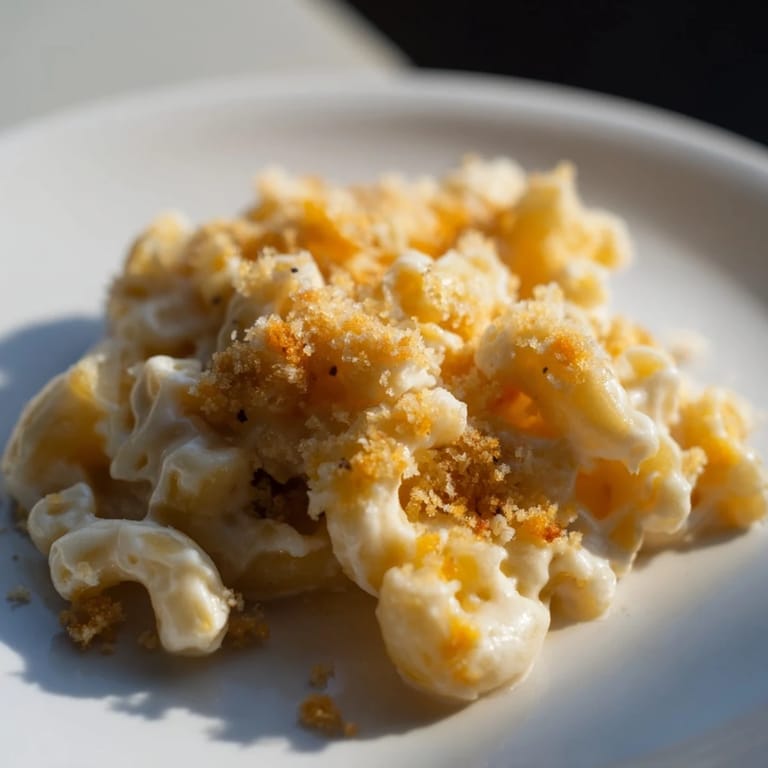
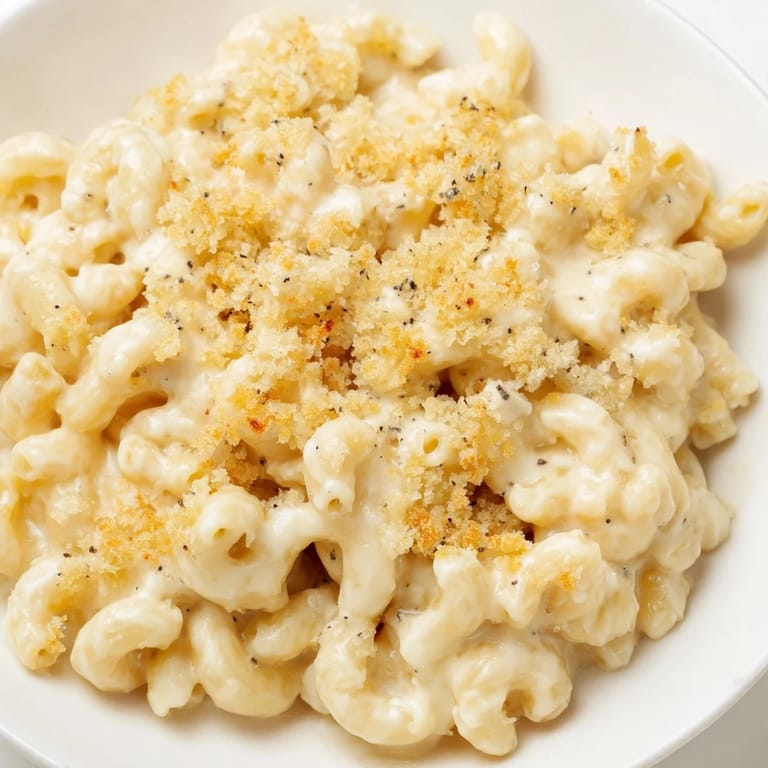
- Spread the mac and cheese into your prepared baking dish, mix your panko breadcrumbs with melted butter and a bit of Parmesan, then scatter it over the top. Bake for 20–25 minutes until the top is golden brown and the edges are bubbling gently, then let it rest for 5 minutes before serving.
 Pin It
 There was an evening when a friend who never cooked anything came to my kitchen and watched the whole process unfold. By the time the sauce came together, they understood why this dish is so beloved—it's alchemy in a pot, and once you see how straightforward it is, you realize you've had access to restaurant-quality food all along.
Stovetop vs. Baked
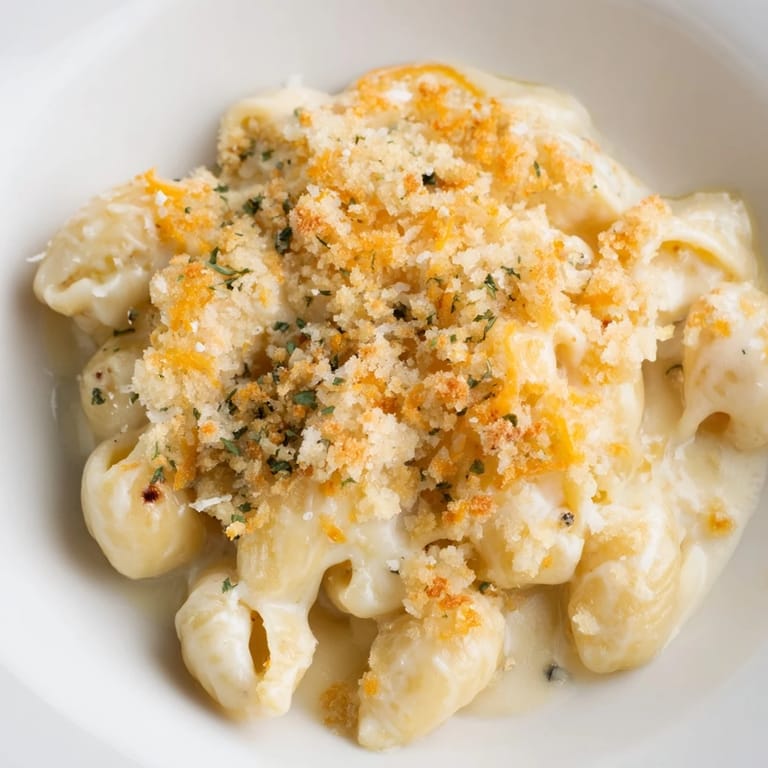
The stovetop version is for nights when you want comfort right now—creamy, loose, the kind of dish you serve straight from the pan and finish eating while it's still steaming. The baked version takes those extra 25 minutes but gives you something different: a textural contrast between that golden, crispy breadcrumb topping and the molten cheese beneath. There's no wrong choice, only what your moment calls for.
Playing with Flavor and Texture
The beauty of this recipe is that it's forgiving enough to play with. A sharper cheddar will make the whole dish taste more assertive, while swapping in Monterey Jack creates something milder and more approachable. I've tucked bits of crispy bacon into the sauce, stirred in sautéed mushrooms that had turned golden and tender, and even folded in blanched broccoli when I wanted to pretend it was a vegetable-forward dish. Each addition shifts the story without breaking the formula.
Building Your Cheese Blend
Using three cheeses instead of one creates layers of flavor that a single cheese can't achieve. The sharp cheddar brings boldness, the Gruyère adds sophistication, and the Parmesan ties everything together with umami. Don't skip the variety just because it feels like extra work—it's the difference between a good mac and cheese and one that people remember. The Dijon mustard and touch of cayenne are quiet contributors that prevent the whole thing from tasting flat or one-note.
- Grate your own cheese from a block rather than using pre-shredded, which contains anti-caking agents that interfere with smooth melting.
- Taste the sauce before the pasta goes in so you can adjust seasoning while you still have control.
- If you're baking it, letting it rest for 5 minutes before cutting allows the structure to set without cooling completely.
 Pin It
 Mac and cheese is the kind of dish that deserves a place in your regular rotation—it's humble enough for a Tuesday night alone, but impressive enough to serve to people you want to feed well. Once you've made it once, you'll understand why it never goes out of style.
Recipe FAQs
- → What type of pasta works best?
Elbow macaroni is ideal for holding creamy sauces, offering a tender yet firm bite perfect for this dish.
- → How is the béchamel sauce prepared?
Butter and flour are cooked until lightly golden, then warm milk and cream are whisked in and simmered until thickened, forming a smooth base to melt cheeses into.
- → Can the cheese blend be varied?
Yes, sharp cheddar is combined with Gruyère and Parmesan for depth, but Monterey Jack or mozzarella can be used for a milder flavor.
- → What’s the difference between stovetop and baked versions?
The stovetop variant is creamy and soft, while the baked version includes a buttery, crispy panko and Parmesan crust for added texture.
- → How can additional flavors be incorporated?
Adding cooked bacon, sautéed mushrooms, or blanched broccoli can enhance texture and introduce new savory notes.