 Pin It
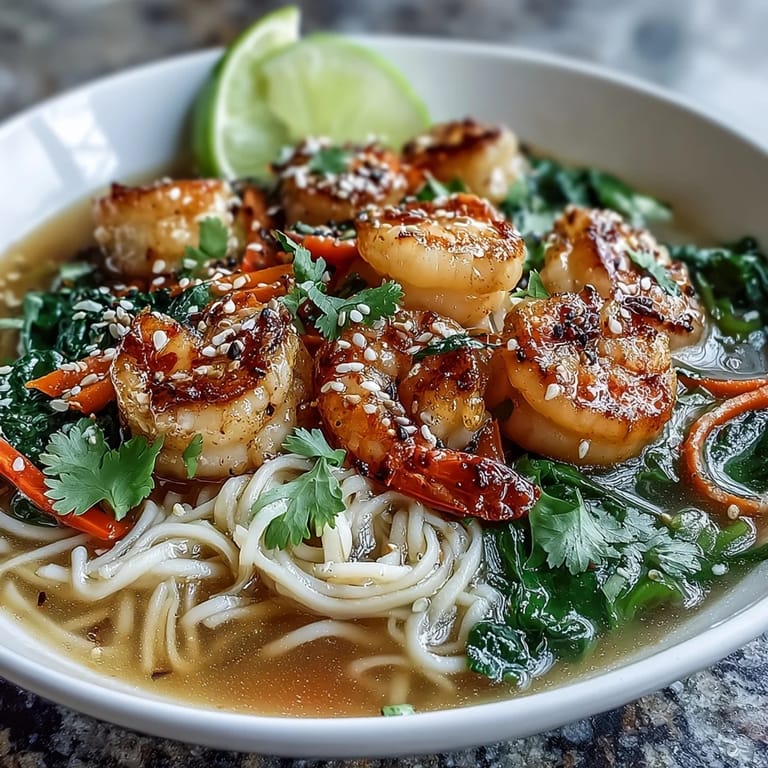
 There's something about the steam rising from a bowl of noodles that makes everything feel possible. I discovered this particular combination on a rainy Tuesday when I had shrimp and scallops thawing on the counter and decided to stop overthinking dinner. The broth came together so naturally, layering flavors that tasted like they'd been simmering for hours when really it was just twenty minutes of focus and intention.
My sister tasted this once and went quiet for a moment, which is how I knew it was working. She said it reminded her of eating at a small place in Bangkok where the owner's mother was cooking in the back. That's when I realized this dish had become something beyond sustenance, something that could transport you somewhere just by existing on your spoon.
Ingredients
- Large shrimp: Two hundred grams, peeled and deveined, because they cook fastest and stay tender if you don't let them go a second too long.
- Sea scallops: Two hundred grams, cleaned and patted dry, which is the trick nobody tells you—moisture is the enemy of good searing texture.
- Rice noodles or soba noodles: Two hundred grams, depending on your mood and what you have in the pantry.
- Carrot: One medium, julienned, for a gentle sweetness that balances the salty broth.
- Red bell pepper: One, thinly sliced, adding brightness without overwhelming the more delicate flavors.
- Snow peas: One hundred grams, trimmed, because they stay crisp and add a subtle snap to every spoonful.
- Baby bok choy: Four halves, mild and willing to absorb whatever flavors surround them.
- Spring onions: Two, sliced, kept raw for a final burst of sharpness.
- Fresh ginger: One tablespoon, grated, the foundation of everything aromatic that follows.
- Garlic cloves: Two, minced, because garlic blooming in hot oil is where good cooking begins.
- Low-sodium chicken or vegetable broth: One liter, letting you control the salt level and ensuring the seafood stays the star.
- Soy sauce: Two tablespoons, the umami backbone that ties everything together.
- Fish sauce: One tablespoon, use it even if you're skeptical—it adds depth without tasting fishy.
- Sesame oil: One tablespoon, toasted, for a warm nutty finish that elevates the entire bowl.
- Rice vinegar: One tablespoon, cutting through richness with gentle acidity.
- Chili paste: One teaspoon optional, for those moments when you want heat to announce itself.
- Fresh cilantro leaves: Optional but encouraged, finishing the dish with herbaceous brightness.
- Toasted sesame seeds: For garnish, adding texture and a whisper of toasted flavor.
- Lime wedges: Essential, because citrus at the end transforms everything.
Tired of Takeout? 🥡
Get 10 meals you can make faster than delivery arrives. Seriously.
One email. No spam. Unsubscribe anytime.
Instructions
- Prepare the noodles first:
- Follow the package timing, but honestly undercook them by a minute because they'll finish gently in the hot broth. Rinse with cold water so they stay separate and won't clump when you divide them into bowls.
- Wake up the aromatics:
- Heat sesame oil in a large pot over medium heat until you can smell it—that toasted fragrance tells you it's ready. Add the ginger and garlic, stirring for about a minute until your kitchen smells like somewhere you want to be.
- Build the broth:
- Pour in the broth, soy sauce, fish sauce, and rice vinegar, watching it come to a gentle simmer. Taste it now and adjust—this is your moment to make it yours.
- Add the vegetables with intention:
- Start with carrots, bell pepper, snow peas, and bok choy, letting them simmer for three to four minutes until they're tender but still speaking for themselves. You're not cooking them into submission, just coaxing them to soften.
- Introduce the seafood gently:
- Add shrimp and scallops, watching them carefully because they'll go from perfect to overdone faster than you'd think. Two to three minutes is all they need to turn opaque and just-cooked through.
- Taste and season:
- This is when you adjust for heat with chili paste if the mood strikes. Trust your instincts here.
- Compose each bowl:
- Divide the noodles among four bowls, then ladle the hot broth, seafood, and vegetables over top, making sure everyone gets a fair share of everything. The steam that rises is part of the experience.
- Finish with care:
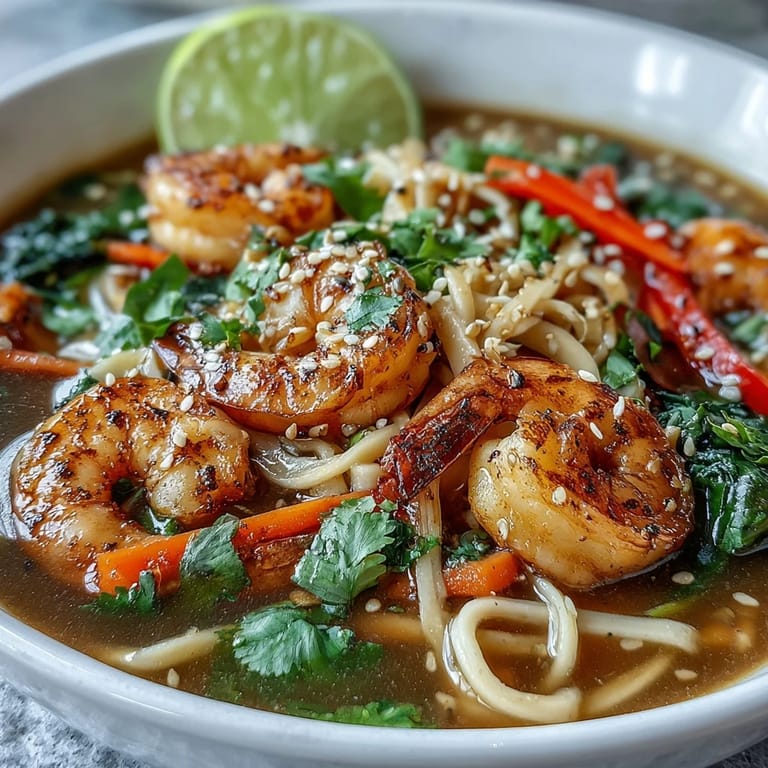
- Top each bowl with spring onions, cilantro if you're using it, sesame seeds, and a generous squeeze of lime. This final layer is where the magic happens.
 Pin It
 What strikes me most about this dish is how it transforms a quiet evening into something that feels almost celebratory. The combination of seafood, the care required in timing, the layering of aromatics and acid and heat—it all comes together to remind you that cooking for yourself is a small act of self-respect.
Why the Seafood Matters
Shrimp and scallops live in this sweet spot where they're delicate enough to cook quickly but substantial enough to anchor a bowl. I used to think they were restaurant-only ingredients, too fancy for weeknight dinners, but then I realized they're actually kinder to the clock than chicken or beef. They don't ask you to plan ahead or tend to them carefully for hours—just a few minutes of your attention and they're done.
The Broth as a Foundation
The broth isn't just liquid—it's the conversation between salty, umami-rich, and bright notes that makes every spoonful interesting. Fish sauce intimidates people, but it's the ingredient that prevents this from tasting like generic Asian chicken soup. The combination of soy sauce, fish sauce, and sesame oil creates something deeper than any of them alone could manage.
Vegetables, Noodles, and the Art of Balance
The vegetables here aren't supporting actors—they deserve your attention and respect. Choose them based on what looks good at the market that day, but keep them cut uniformly so they cook at the same pace. The noodles should be tender but with just enough texture to hold the broth and make each bite satisfying.
- Don't skip rinsing the cooked noodles or they'll turn into a clumpy mess waiting to ruin your bowl.
- If you're making this ahead, keep the noodles and broth separate until serving so everything stays fresh.
- Double-check your allergens, especially if serving to guests, because shellfish and fish sauce hide in plain sight.
 Pin It
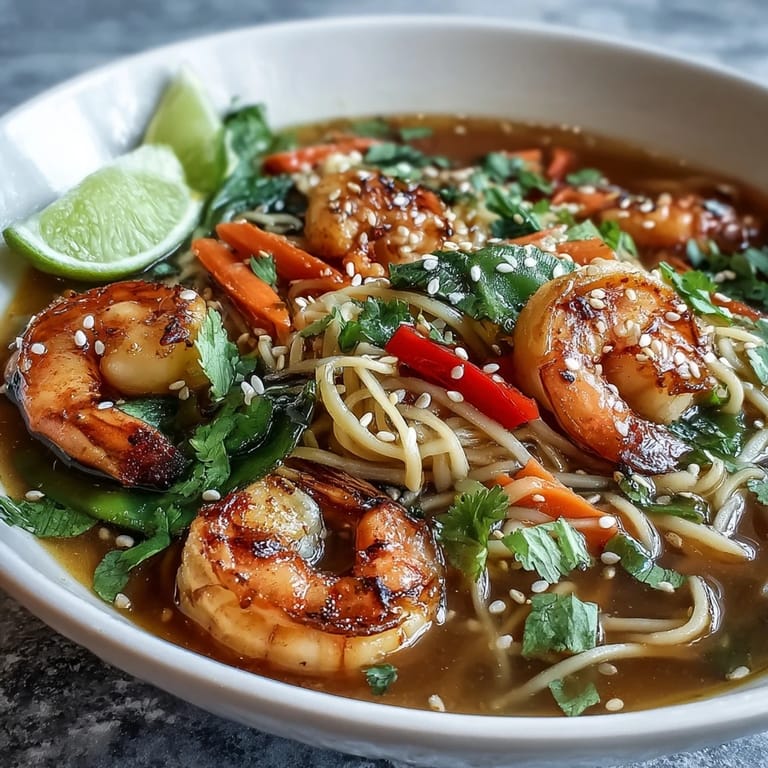
 This bowl asks very little of you but gives back generously. It's the kind of meal that reminds you why cooking matters.
Recipe FAQs
- → What type of noodles work best for this dish?
Rice noodles or soba noodles both work beautifully. Rice noodles offer a delicate texture that absorbs the savory broth, while soba noodles provide a nutty flavor and slightly firmer bite. Udon or egg noodles make excellent alternatives if you prefer a heartier noodle.
- → How do I prevent the shrimp and scallops from becoming rubbery?
Avoid overcooking the seafood. Add the shrimp and scallops to the simmering broth during the last 2-3 minutes of cooking. Remove from heat as soon as the shrimp turn pink and opaque, and the scallops feel firm to the touch. They will continue cooking slightly in the hot broth.
- → Can I make this dish vegetarian?
Absolutely. Substitute the shrimp and scallops with firm tofu cubes, tempeh, or seitan. Use vegetable broth instead of chicken broth and replace fish sauce with a vegetarian alternative or additional soy sauce. The vegetables and aromatic broth create plenty of depth and umami.
- → How can I adjust the spice level?
The chili paste is completely optional. For a mild version, omit it entirely. For moderate heat, start with ½ teaspoon of chili paste. If you enjoy spicy dishes, increase to 1-2 teaspoons or add fresh sliced chilies as a garnish. You can also serve sriracha or chili oil on the side.
- → Can I prepare the components ahead of time?
Yes. Julienne the vegetables, grate the ginger, mince the garlic, and prepare the broth up to a day in advance. Store them separately in the refrigerator. Cook the noodles just before serving to prevent them from becoming sticky or mushy. The seafood should be cooked fresh for the best texture.
- → What beverages pair well with this noodle bowl?
A crisp Riesling complements the Asian flavors with its subtle sweetness and acidity. Light lagers or pilsners provide a refreshing contrast to the savory broth. For non-alcoholic options, try iced jasmine tea or a sparkling water with lime. The citrus notes help balance the rich, umami flavors.