 Pin It
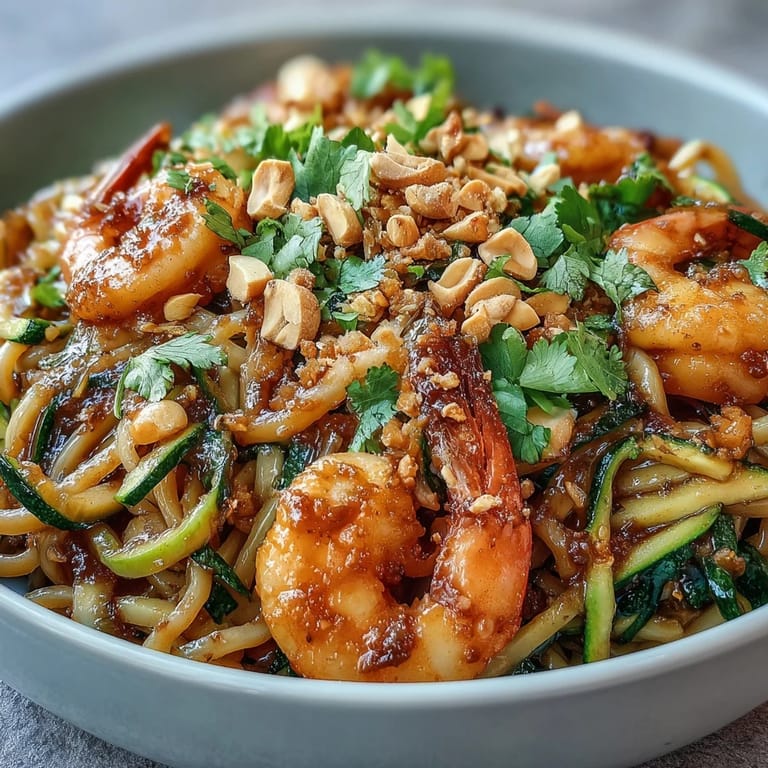
 My friend Sarah showed up one humid afternoon with a bag of shrimp and this wild idea to make something light but satisfying for dinner. We started chopping vegetables in her tiny kitchen, and the smell of sesame oil hitting the pan transported me straight to the night markets I'd wandered through years ago. There's something about building a bowl like this, where every element sits separate until the very last moment, that feels both intentional and forgiving.
The last time I made this, my ten-year-old nephew sat on a stool watching me julienne carrots and asked why I was making them so thin. When his bowl arrived with all those delicate ribbons of vegetable catching the light, he actually ate every piece without complaint, something he rarely does. That's when I realized this dish works magic on people who usually push vegetables to the side.
Ingredients
- Medium shrimp, peeled and deveined (400 g): The shrimp cook so quickly that you want them just about at room temperature before they hit the pan, which keeps them from overdoing and turning rubbery.
- Rice noodles (200 g): These are delicate, so rinse them cold right after draining or they'll stick together stubbornly.
- Zucchini, julienned: Cut these thin enough that they cook in the same time as the carrots, creating ribbons that catch the sauce beautifully.
- Carrot, julienned: A mandoline makes this job almost meditative, though a careful knife hand works just fine.
- Garlic, minced (2 cloves): This is your aromatics anchor, so don't skip the 30 seconds of cooking it alone or the rest of the pan won't have that fragrant foundation.
- Green onions, sliced (3): Save these for the very end since their bright flavor fades fast with too much heat.
- Soy sauce (3 tbsp): This is your salt and savory spine, so taste as you go especially if you're using low-sodium versions.
- Lime juice (2 tbsp): Freshly squeezed makes all the difference; bottled tastes a bit flat by comparison.
- Sesame oil (1 tbsp): A little goes a long way here, and toasted sesame oil gives deeper flavor than regular.
- Honey or maple syrup (1 tbsp): This rounds out the sharp edges and gives the sauce a glossy finish.
- Chili garlic sauce (1 tsp): Optional but it adds a subtle kick that makes people ask what the secret ingredient is.
- Roasted peanuts, chopped (50 g): Rough chop them so some pieces are bigger for texture contrast.
- Fresh cilantro, chopped (1/3 cup): Use the leaves and tender stems, and add it at the last moment so it stays bright green.
- Lime wedges for serving: Let people squeeze their own at the table because everyone has different acid preferences.
Tired of Takeout? 🥡
Get 10 meals you can make faster than delivery arrives. Seriously.
One email. No spam. Unsubscribe anytime.
Instructions
- Cook the noodles until tender:
- Follow the package timing but start checking a minute early because rice noodles can surprise you. Drain them completely and run cold water over them while fluffing with your fingers so they don't clump.
- Build your sauce:
- Whisk everything together in a small bowl and taste it on a clean spoon; you should taste salty, sour, sweet, and nutty all at once. If it feels too strong, you haven't cooked the noodles yet so the dilution will balance it out.
- Heat the pan and cook garlic:
- Use a large skillet or wok on medium-high heat, add just a splash of oil, and listen for that gentle sizzle when the garlic hits. You'll smell when it's ready, about 30 seconds, and then immediately move to the shrimp so the garlic doesn't burn.
- Cook the shrimp until pink:
- Lay them in a single layer and resist the urge to touch them for the first minute. When you flip them, they should have color around the edges and feel slightly firm to the touch.
- Stir-fry the vegetables briefly:
- The zucchini and carrot should still have a little snap to them, not soft. This whole phase takes 2 to 3 minutes, and you'll notice the carrot will soften before the zucchini.
- Combine everything in the pan:
- Add the noodles, green onions, and sauce all at once and toss gently but thoroughly. The heat from the pan will warm the noodles and wake up the sauce flavors.
- Return shrimp and finish:
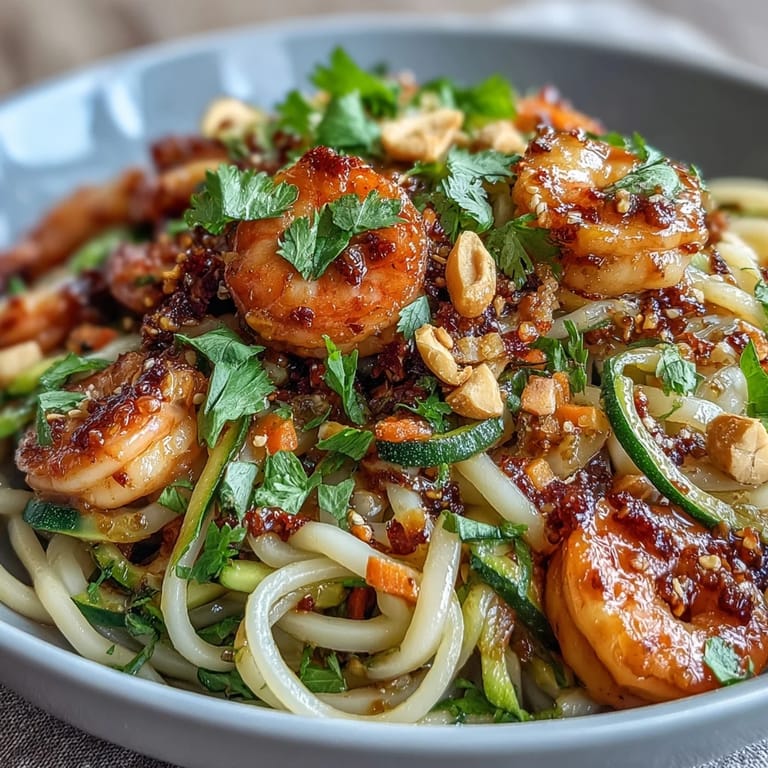
- Fold the shrimp back in with a light hand so they don't break apart. Everything should be heated through and glossy with sauce.
- Serve into bowls:
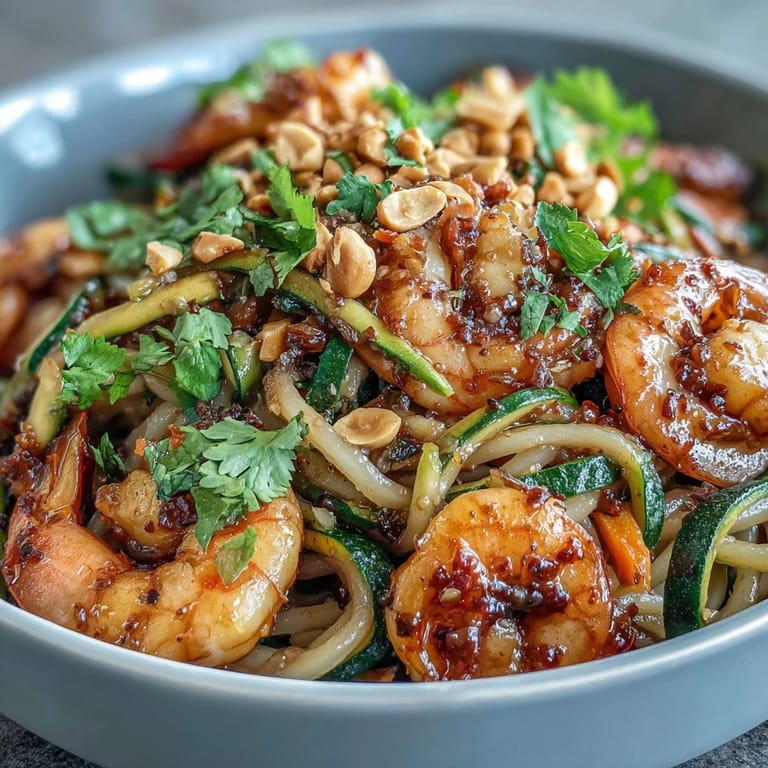
- Divide the mixture evenly and then top each bowl with peanuts, cilantro, and a lime wedge. Let everyone customize their heat and brightness at the table.
 Pin It
 I once served this to my book club on a night when everyone was tired and nobody wanted heavy food, and something shifted in the room when we all started eating. People leaned in toward their bowls, pausing between bites to point out how the peanuts crunch against the soft noodles, how the cilantro keeps everything from feeling too rich, how the lime cuts through just right.
Timing Your Prep for Smooth Cooking
The trick to this dish moving quickly is having everything prepped and sitting in small bowls before you turn on the heat. I learned this the hard way when I tried mincing garlic while the pan was already hot and almost burned it. Once you start cooking, you're moving fast, so those two minutes of setup beforehand actually save you stress and result in better food because you're not rushing through technique.
Making It Your Own
The beauty of a noodle bowl is that you can treat it like a template rather than a rule book. One time I had snap peas instead of zucchini and they stayed so crisp that my mom asked for the recipe specifically asking me to use snap peas again. Another night, I roasted the vegetables first for deeper flavor, which made it feel more like comfort food than a light dinner.
Storing and Reheating Without Losing Magic
The components keep well separately in the refrigerator for up to two days, which means you can assemble fresh bowls for lunch the next day. I've learned the hard way that mixing everything and then storing it makes the noodles absorb all the sauce and turn gummy, so keep your sauce in a separate container.
- Store cooked shrimp and noodles in airtight containers on separate shelves so they don't cross-flavor each other.
- Keep your raw vegetables in one container and the sauce in a jar so you can grab everything for a quick reassembly.
- Toast the peanuts fresh or keep them in a dry place because they go stale faster once the humidity hits them.
 Pin It
 This noodle bowl became my quiet weeknight win, the dish I turn to when I want something that feels like it took effort but leaves plenty of time for everything else. It's the kind of food that brings people together without demanding much from the cook.
Recipe FAQs
- → Can I make this dish gluten-free?
Yes, simply use gluten-free soy sauce or tamari in place of regular soy sauce. Rice noodles are naturally gluten-free, making this an easy adaptation.
- → What protein alternatives work well?
Firm tofu, sliced chicken breast, or even beef strips make excellent substitutes for shrimp. Adjust cooking times accordingly—tofu needs less time while chicken may need a few extra minutes.
- → How do I prevent rice noodles from sticking?
Rinse cooked noodles thoroughly with cold water after draining to remove excess starch. Tossing them with a small amount of sesame oil also helps prevent clumping.
- → Can I prep ingredients in advance?
Absolutely. Julienne the vegetables, whisk the sauce, and store them separately in the refrigerator for up to 24 hours. Cook noodles just before serving for best texture.
- → How can I add more vegetables?
Snap peas, red bell pepper strips, broccoli florets, or baby corn all complement the flavors beautifully. Add them during the vegetable stir-fry step.
- → Is this dish spicy?
The base dish has mild heat from aromatics. Add chili garlic sauce to taste, or include sliced fresh chilies if you prefer more spice.