 Pin It
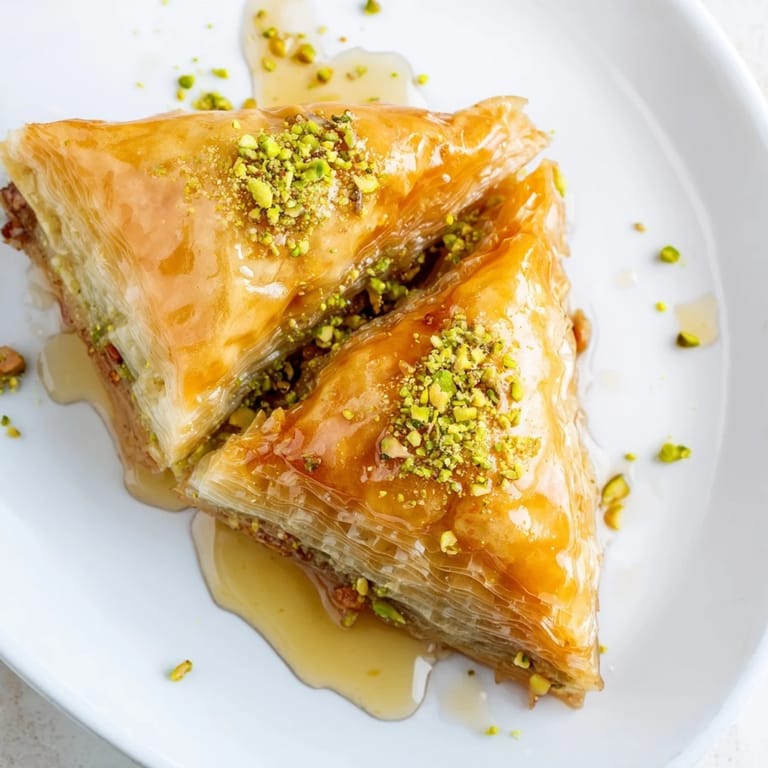
 I discovered baklava not in a cookbook but in a small Istanbul bakery tucked behind the Grand Bazaar, where the smell of honey and cinnamon seemed to seep from the very walls. The pastry crackled between my teeth in the most satisfying way, each layer giving way to warm, buttery nuts and that golden syrup that somehow tasted like history. I spent that afternoon watching the baker layer phyllo with the kind of practiced ease that made it look effortless, though I later learned it takes patience and a light hand. That night, back in my kitchen, I decided this was a dessert worth mastering—not just eating, but making it myself again and again.
I made this for my neighbor's birthday potluck, arriving fashionably late with a box still warm from my oven, and watched her eyes light up when she bit into a piece. Her teenage son ate three pieces before anyone else got to the table, which felt like the highest compliment possible. That's when I realized baklava isn't just dessert—it's the edible version of saying you cared enough to spend an hour layering phyllo for someone else.
Ingredients
- Phyllo dough (16 sheets, thawed): This is the star—brittle, paper-thin, and only forgiving if you work with it cold and use butter generously between each layer, which honestly took me three tries to stop oversaturating.
- Unsalted butter (150 g, melted): The invisible architect holding everything together; I learned the hard way that salted butter changes the flavor balance of the honey syrup.
- Hazelnuts (100 g, finely chopped): Their toasty depth balances the sweetness, and chopping them yourself rather than buying pre-chopped gives you better control over texture.
- Pistachios (100 g, finely chopped): These add a subtle earthiness and a hint of color that makes each bite feel special.
- Granulated sugar (100 g for filling, 100 g for syrup): Measure this carefully because too much makes the baklava cloying, something I discovered after an overly sweet first attempt.
- Ground cinnamon (1 tsp, optional): I use it every time now because that warm spice note is what makes people guess there's 'something special' in here.
- Water (120 ml for syrup): This is your insurance against syrup that's too thick or grainy.
- Honey (150 g): Use real honey, not the squeezable stuff, because the quality difference in taste is honestly shocking.
- Lemon juice (1 tsp): A small amount brightens the syrup and prevents that one-note sweetness that can make baklava feel heavy.
Tired of Takeout? 🥡
Get 10 meals you can make faster than delivery arrives. Seriously.
One email. No spam. Unsubscribe anytime.
Instructions
- Set your stage:
- Preheat your oven to 180°C (350°F) and brush that baking pan with melted butter like you're painting, making sure every corner gets love. This prevents sticking and gives the bottom its own crispy layer.
- Build your base:
- Take 4 phyllo sheets and layer them into the pan one at a time, brushing each sheet with butter as you go—think of it like you're giving each sheet a light bath, not drowning it. You'll feel the sheets wanting to stick to each other, and that's exactly what you want.
- Combine your filling:
- Mix the chopped hazelnuts, pistachios, sugar, and cinnamon in a bowl until it smells like a spice market. The nuts should be roughly the same size so every bite tastes consistent.
- First layer of nuts:
- Sprinkle one-third of your nut mixture evenly over those first 4 phyllo sheets, being generous because these nuts are the whole point. Don't worry about gaps—the syrup will find them.
- Build again, then repeat:
- Layer 4 more buttered phyllo sheets, then sprinkle another third of nuts, then repeat the whole thing one more time with the final batch—you're creating distinct layers that create that satisfying crackle.
- Crown it:
- Top everything with the last 4 phyllo sheets, brushing each with butter including that very top layer, which will turn golden and gorgeous as it bakes. The top layer is what people see and taste first, so give it attention.
- Score with intention:
- Cut the pastry into diamonds or squares using a sharp knife with steady pressure, going all the way to the bottom of the pan so each piece is individual. I learned that hesitant sawing motions shatter the phyllo, but decisive cuts keep it intact.
- Let it turn golden:
- Bake for 35–40 minutes until the top is deep golden brown and the smell tells you it's done—that aroma is honestly half the pleasure.
- Meanwhile, make your syrup:
- Combine water, honey, sugar, and lemon juice in a saucepan and bring to a boil, then let it simmer for 10 minutes so the flavors marry together. The syrup should smell sweet and lemony, never burnt or overly reduced.
- The crucial moment:
- The second your baklava comes out of the oven, pour that hot syrup all over it—the heat helps the phyllo absorb it rather than just sitting on top. This step changed everything for me once I understood why the timing matters.
- Let time do its work:
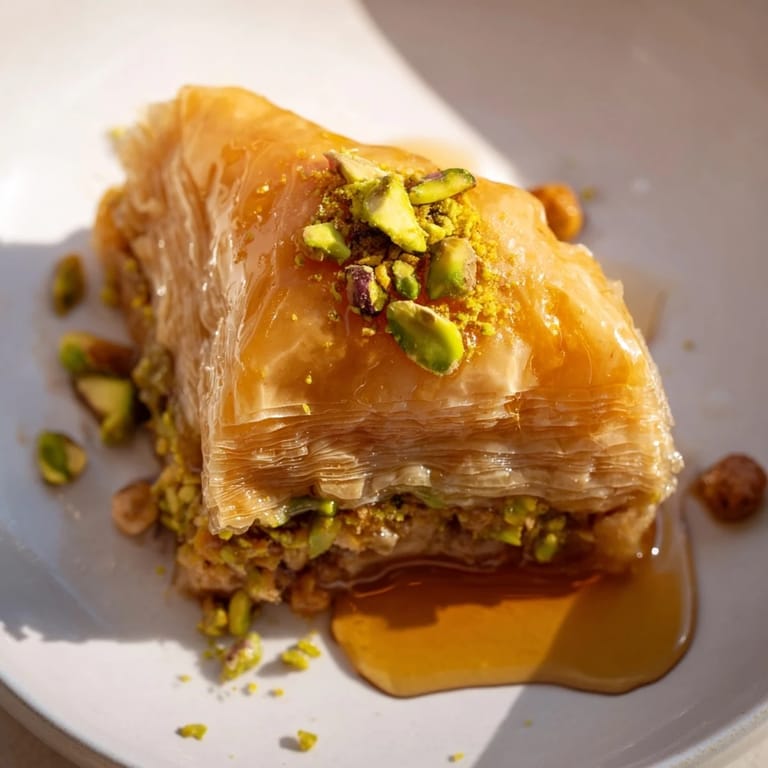
- Let it cool completely at room temperature before serving, which takes hours but actually improves the texture and flavor as the syrup soaks through every layer.
 Pin It
 My roommate walked into the kitchen while the baklava was cooling and said, "This smells like what wealth tastes like," which made me laugh but also made me realize this dessert has this strange power of feeling both indulgent and deeply comforting at the same time. Every time I make it now, I think of that moment and that smell, and I understand why this dessert has been passed down through generations.
The Phyllo Philosophy
Phyllo dough intimidates people because it looks so delicate, but what I've learned is that it actually wants to stick together—that's its nature. The real trick is accepting that you're not trying to keep sheets perfectly separated; you're building intentional layers by working with confidence and a generous amount of butter. The first time I made this, I was so afraid of tearing the sheets that I barely brushed them with butter, and the whole thing turned dense and tight. Now I understand that butter is both the protection and the magic, creating those crispy, shattering layers everyone loves.
Why the Syrup Timing Matters
There's a science to why you must pour hot syrup on hot baklava, and it changed how I think about cooking. When baklava is hot and the butter is still melting slightly, the phyllo sheets are porous and eager to absorb that golden honey syrup, which then penetrates all the way through to the nuts underneath. If you wait until everything cools, the phyllo seals up and the syrup just pools on top, creating this separated, disappointing texture. It's one of those moments where understanding the 'why' transforms you from following instructions to actually cooking.
Storage and Serving Secrets
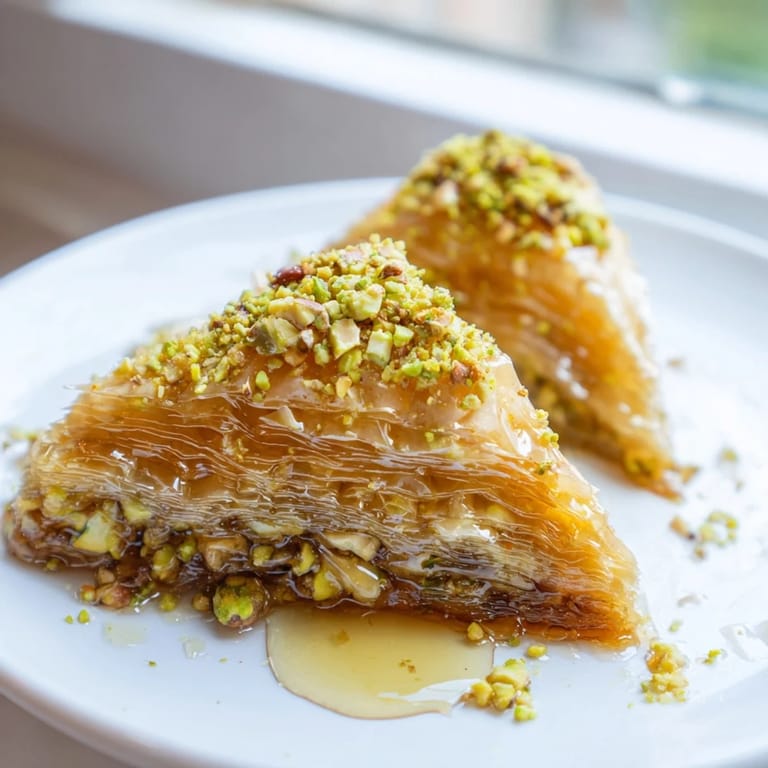
I used to think baklava was best eaten the day it was made, but I've discovered it actually improves over a day or two as the syrup continues to penetrate and the flavors deepen. Store it in an airtight container at room temperature, and it stays perfect for up to five days, though honestly it rarely lasts that long in my house. Here are the things that changed my baklava game:
- Chill the baklava for 20 minutes before cutting if you want pieces with sharp, clean edges instead of crumbly ones.
- Serve it at room temperature with strong coffee or mint tea, which cuts through the sweetness in the most satisfying way.
- If you want to substitute walnuts for hazelnuts, you absolutely can, though the flavor becomes earthier and slightly less refined.
 Pin It
 Every time someone takes a bite of my baklava and closes their eyes for just a second, I remember why I keep making it. This dessert is a conversation between texture and sweetness, tradition and personal technique.
Recipe FAQs
- → What is the best way to handle phyllo dough?
Keep phyllo dough covered with a damp cloth to prevent drying out and work quickly while layering and brushing with butter.
- → Can I substitute other nuts in the filling?
Yes, walnuts or almonds can be used instead of hazelnuts or pistachios for a different nutty flavor.
- → How do I achieve a crispy, golden crust?
Brushing each phyllo layer generously with melted butter and baking at 180°C ensures a crisp, golden finish.
- → When should the honey syrup be poured?
Pour the warm honey syrup immediately after baking while the pastry is hot, so it absorbs evenly.
- → What is the best way to store this dessert?
Store in an airtight container at room temperature for up to five days to maintain freshness and texture.
- → Is cinnamon essential in the nut mixture?
Cinnamon adds a subtle warmth but can be omitted if preferred without affecting the overall flavor much.