 Pin It
 A friend once described the moment I placed my first layered appetizer on the table, and she said it looked like something you'd see on a gallery wall—not a dinner plate. That's when I realized food doesn't just need to taste good; it needs to speak to people before they even taste it. The Sandstone Canyon was born from that exact thought: what if I could build something that felt architectural, dramatic, but still accessible and deeply satisfying?
I made this for a dinner party on a rainy spring evening when three friends showed up stressed about work, and within minutes of seeing the platter, the whole mood shifted. One of them grabbed a cracker and hummus together, took a bite, then just sat back and smiled. It wasn't fancy or complicated, but something about the layers, the texture, the care of it all seemed to make everyone pause and actually be present. That's when I knew this wasn't just an appetizer—it was a moment.
Ingredients
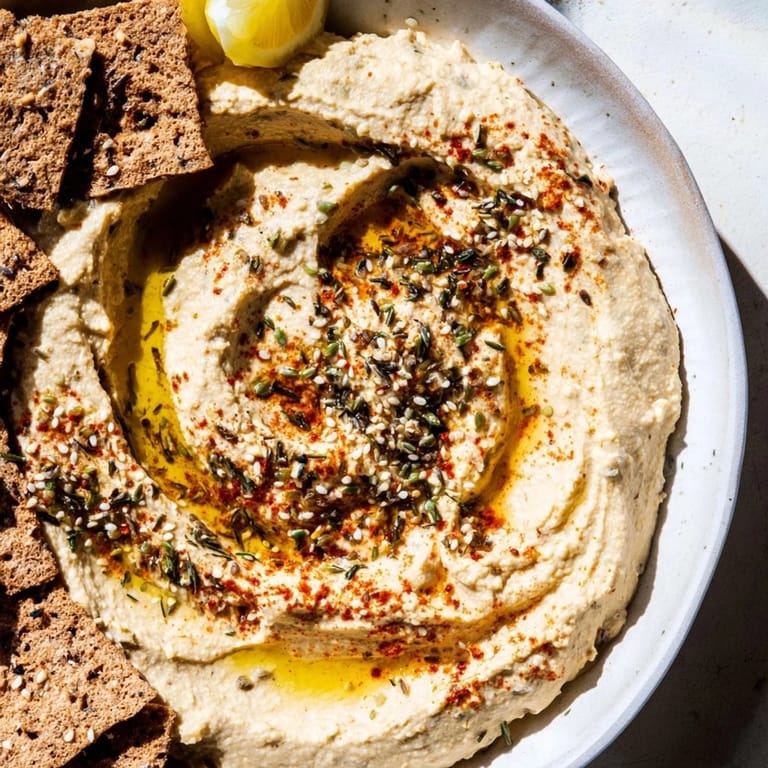
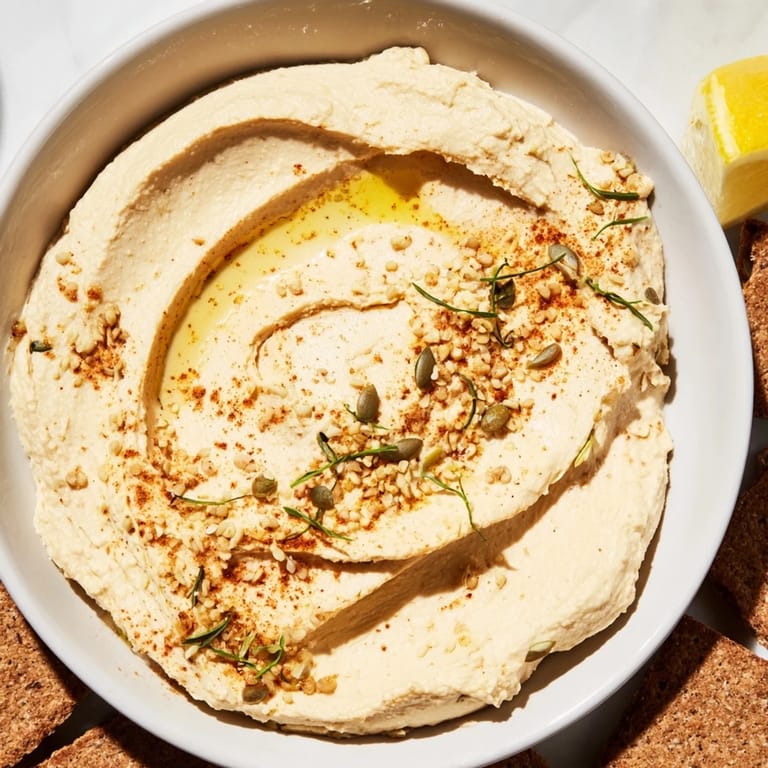
- Hummus: Use 500g of your best hummus—whether store-bought or homemade matters here because it's the foundation. The creamier and more flavorful it is, the better your canyon will taste and hold its shape.
- Smoked paprika: This 1 tsp dose adds warmth and a whisper of depth that makes people ask what the secret ingredient is.
- Extra-virgin olive oil: Don't skip this or use regular oil; 1 tbsp of good olive oil changes the texture and flavor profile entirely.
- Cumin: Just 1/2 tsp, but it ties everything to Mediterranean warmth and makes the hummus taste less generic.
- Cayenne pepper: Optional at 1/4 tsp, but add it if you want the hummus to whisper heat rather than stay completely mild.
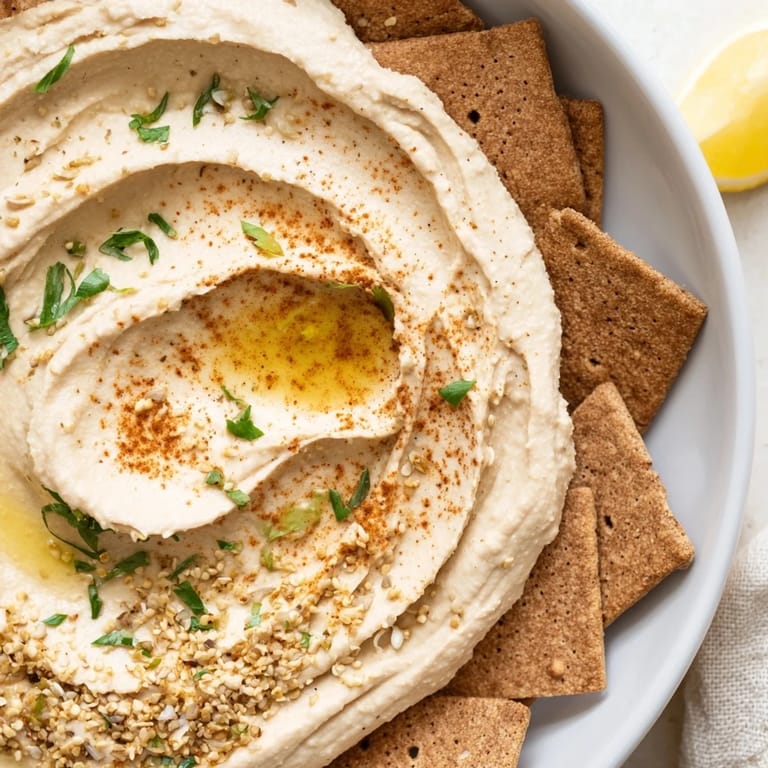
- Beige crackers: Use 200g of whole wheat, sesame, or water crackers—they're sturdy enough to stand upright and visually complement the hummus layers.
- Toasted sesame seeds: These 2 tbsp catch the light and add a subtle nuttiness that transforms the whole platter.
- Fresh parsley: Chop 2 tbsp fresh, right before serving, so it stays vibrant and doesn't wilt into the hummus.
- Lemon wedges: Cut one small lemon into wedges; the acidity is the final touch that makes every bite feel complete.
Tired of Takeout? 🥡
Get 10 meals you can make faster than delivery arrives. Seriously.
One email. No spam. Unsubscribe anytime.
Instructions
- Season the hummus base:
- In a bowl, stir the hummus with smoked paprika, olive oil, cumin, and cayenne until the color is even and the spices are fully dissolved. You should smell the warmth of the paprika and cumin immediately—that's when you know it's right.
- Create the first canyon wall:
- On your serving platter, use a spatula or offset knife to spread a thin, wavy layer of hummus, deliberately making ridges and valleys like an actual landscape. Don't overthink it; gentle, organic waves feel more natural than perfect symmetry.
- Stand your crackers like canyon cliffs:
- Press crackers upright into the hummus along the wavy contours, slightly overlapping them so they lean against each other. You'll feel them settle into place—that's the hummus holding them steady.
- Build the layers upward:
- Repeat: another thin wave of hummus, then another row of crackers, creating 3–4 layers total. Each layer adds visual drama and makes the structure stronger.
- Garnish with intention:
- Sprinkle toasted sesame seeds and fresh chopped parsley across the top, letting them catch in the valleys and peaks. The garnish isn't just decoration; it's the final texture that ties everything together.
- Finish and serve:
- Place lemon wedges nearby and bring the platter to the table immediately, so people see it whole and undisturbed. The impact of the full landscape matters.
 Pin It
 There's a particular joy in watching someone approach this platter for the first time—they pause, almost unsure whether to disturb the arrangement, then reach out and taste it. That hesitation, followed by the smile, never gets old. It reminds me that food that makes people feel something before they taste it already tastes better.
Flavoring Your Canvas
The beauty of this recipe is that the hummus base is completely customizable. You can swap the spice profile entirely—try roasted red pepper hummus layered with smoked paprika, or mix sun-dried tomato into your hummus for earthy depth. I once made it with harissa mixed into the hummus, and it became the spicy version everyone wanted at the next gathering. The crackers are your canvas, and the hummus is your paint; think about what flavors you want the platter to announce.
The Visual Architecture
The reason this appetizer works is because it engages more than taste—it engages the eyes first. When you're building the layers, don't aim for perfection; the slight imperfections, the uneven waves, the crackers leaning at different angles—that's what makes it look like a real canyon instead of something too precious to eat. I learned this by making it perfectly straight once, and it looked sterile. The texture and variation are what make people want to photograph it and eat it.
Serving and Pairings
This appetizer sits in that perfect space where it's elegant enough for a dinner party but casual enough for a weeknight snack with friends. I've served it before crisp white wines, alongside iced herbal teas on hot afternoons, and even as a standalone snack with nothing else. The acidity of lemon, the earthiness of the spices, and the crunch of the crackers make it feel complete on its own, but it also plays beautifully with other Mediterranean dishes or lighter fare.
- Add roasted chickpeas on top for extra crunch and protein if you're serving it as more of a substantial appetizer.
- If you want to make it gluten-free, swap the regular crackers for gluten-free versions; the structure and taste remain exactly the same.
- Prep the seasoned hummus up to 2 hours ahead, but assemble the full platter no more than 30 minutes before guests arrive.
 Pin It
 This platter is proof that sometimes the most memorable dishes are the ones that feel like they took effort but didn't require much time at all. Serve it with confidence and watch it disappear.
Recipe FAQs
- → What gives the hummus its smoky flavor?
Smoked paprika adds a gentle smoky depth, balanced by cumin and a hint of cayenne pepper for subtle heat.
- → How are the crackers arranged for the layered effect?
Crackers are stood upright following the hummus’s wavy contours, overlapping slightly to create canyon-like ridges.
- → Can this appetizer suit gluten-free diets?
Yes, by substituting the beige crackers with gluten-free varieties, it remains suitable for gluten-sensitive guests.
- → What garnishes enhance texture and flavor?
Toasted sesame seeds and chopped fresh parsley add crunch and color, while lemon wedges provide a zesty finish.
- → How long does it take to prepare this appetizer?
The entire assembly takes about 15 minutes, with no cooking required, making it quick and easy.
- → What drink pairs well with this appetizer?
A crisp white wine or iced herbal tea complements the creamy and savory layers perfectly.