 Pin It
 I discovered this soup on a gray afternoon when my neighbor brought over a bundle of lemongrass from her garden, insisting I do something interesting with it. The fragrance alone transformed my kitchen into something between a Thai market and a spa, and I found myself standing there, slightly dazed, wondering how something so aromatic could exist. That first spoonful changed how I thought about soup entirely—suddenly it wasn't just comfort, it was an experience.
My partner came home mid-cooking and just stood in the doorway breathing, asking what I'd done to make the apartment smell like that. I served it to friends who were skeptical about green soup, and three of them asked for the recipe before they'd even finished their bowls. That's when I knew I'd stumbled onto something real.
Ingredients
- Fresh spinach (200 g): Use the tender leaves if you can—they blend into silk rather than grit, and the soup tastes brighter when you're not fighting tough stems.
- Fresh coriander (1 bunch): Don't skip separating the stems from the leaves; the stems disappear into the broth and carry flavor while the leaves stay bright for garnish.
- Lemongrass (1 stalk): This is where the magic lives—peel away the tough outer layers until you hit the pale, tender center, then slice it thin so it releases everything into the broth.
- Coconut milk (400 ml, full-fat): The creamy kind from a can, not the watered-down carton version; it makes an actual difference in how the soup coats your mouth.
- Vegetable stock (500 ml): Use something you'd actually drink—homemade is best, but quality store-bought counts.
- Ground cumin (1 tsp) and ground coriander (1 tsp): These spices wake up your palate and tie everything together without overpowering the fresh herbs.
- Turmeric (½ tsp): Just enough to add warmth and that golden color, not so much that it tastes medicinal.
- Coconut oil (1 tbsp): It carries flavor better than neutral oil and adds a subtle sweetness that rounds out the spices.
- Garlic (2 cloves) and ginger (1-inch piece): Mince them fine so they dissolve into the broth rather than sitting as chunks.
- Lime wedges: Essential—the acid is what makes all these flavors suddenly make sense together.
Tired of Takeout? 🥡
Get 10 meals you can make faster than delivery arrives. Seriously.
One email. No spam. Unsubscribe anytime.
Instructions
- Build your foundation:
- Heat the coconut oil until it shimmers, then add your chopped onion. Let it soften for a couple minutes, watching for when the edges turn translucent—you're not looking for color here, just tenderness. This is your base, so take your time.
- Layer in the aromatics:
- Add the garlic, ginger, and lemongrass, and you'll immediately smell why people fall in love with these ingredients. Stir constantly for about two minutes—if it starts to stick, that's fine, that's flavor building. The kitchen should smell almost overwhelming now.
- Toast your spices:
- Add the cumin, coriander, turmeric, and chili if you're using it. Cook for just one minute until you can smell the spices waking up—this moment matters more than you'd think. Raw spice powder tastes dull; toasted spice powder tastes alive.
- Wilt the greens:
- Throw in your spinach and coriander stems, stirring until the spinach collapses into the pot. It'll look like too much at first, then suddenly there's this tender pile of greens instead, releasing their iron-rich goodness into the oil.
- Simmer and marry flavors:
- Pour in the coconut milk and vegetable stock, then let everything bubble gently for 10 to 12 minutes. This isn't rushed; the longer it simmers, the more the lemongrass permeates everything. Taste a spoonful—it should taste complete but still taste like individual ingredients.
- Blend into velvet:
- Remove from heat and stir in most of your fresh coriander leaves. Then use an immersion blender (or transfer to a countertop one) to puree until it's completely smooth and creamy. If you're using a countertop blender, do this in batches and be careful—hot liquid expands.
- Season and finish:
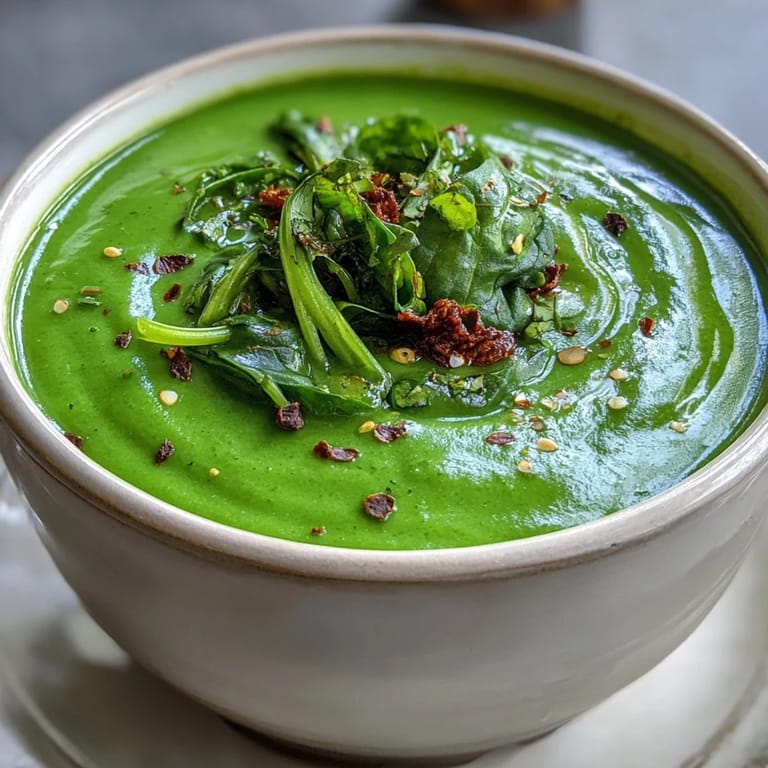
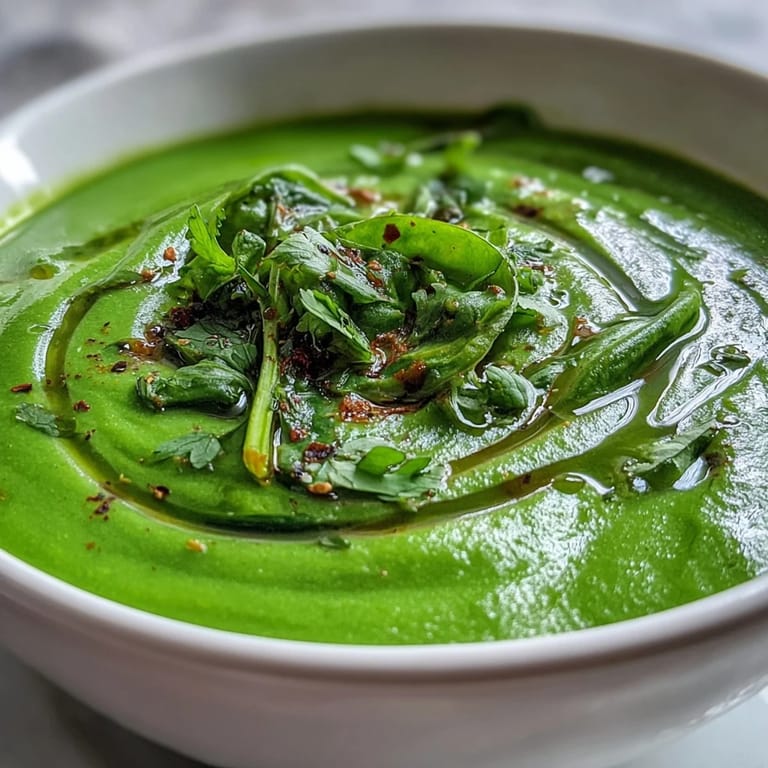
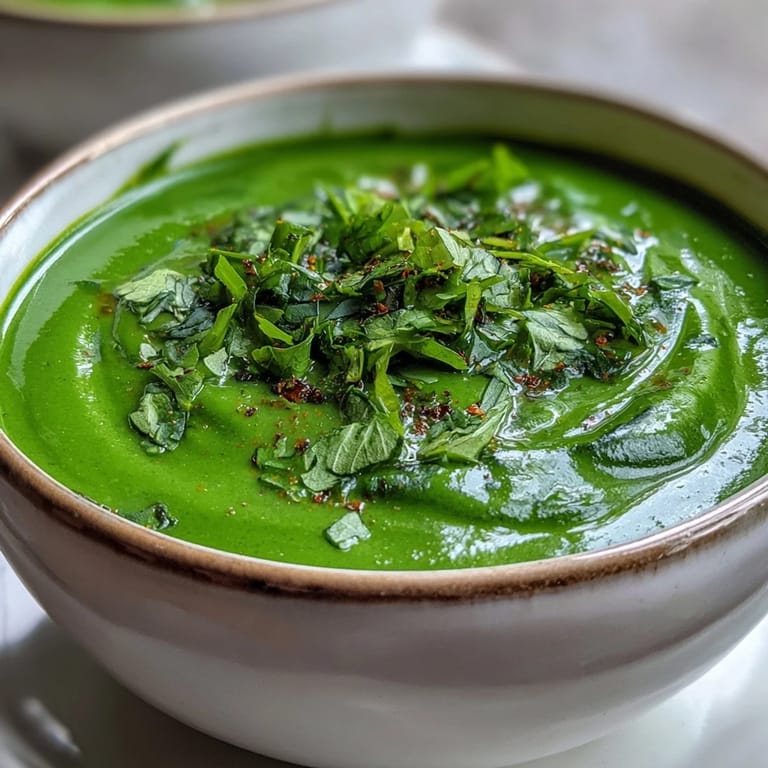
- Taste it now. Add salt and pepper like you're tuning an instrument, a little at a time. Heat gently if needed, then ladle into bowls and garnish with the reserved coriander leaves and a squeeze of lime.
 Pin It
 What started as an accident with leftover lemongrass became the soup I make when I want to feel like I'm taking care of myself. There's something about eating something this green and alive that makes you feel a little bit more present in the world.
When to Add a Potato
If you want the soup to be more substantial or you're serving it as a main course, peel and dice a small potato and add it to the pot when you add the spinach. Let it simmer with everything else until it's completely soft before you blend—it'll dissolve into creaminess and make the whole thing more filling without losing any of that bright herbal character.
Heat Level and How to Adjust
The green chili is optional because not everyone wants their soup to have a kick, and that's completely valid. If you're not using it, the soup is gently warming without being spicy. If you do use it, deseed it first unless you actually enjoy a genuine burn—I learned that the hard way and spent twenty minutes drinking coconut milk straight from the can.
What to Serve It With
This soup doesn't need much, but the right accompaniment makes it feel like an actual meal. Crusty bread is obvious but works because you need something to soak up the last spoonfuls. Steamed jasmine rice adds substance without being heavy, and if you're feeling fancy, a crisp Riesling cuts through the richness beautifully.
- Make it ahead and reheat it gently—it actually tastes better the next day when all the flavors have had time to know each other.
- If you have leftover coriander, freeze it in ice cube trays so you always have a way to brighten things up.
- Serve it hot, not warm, or you'll miss half the flavor.
 Pin It
 This soup is proof that the simplest ingredients, when they're treated with attention, become something that sticks with you. Make it for someone you want to impress, or make it for yourself on a day when you need to know that you're worth the effort.
Recipe FAQs
- → Can I make this soup ahead of time?
Yes, prepare up to 2 days in advance and refrigerate. Reheat gently on the stove, adding splash of coconut milk if needed.
- → Is this soup suitable for freezing?
Absolutely. Cool completely, transfer to airtight containers, and freeze for up to 3 months. Thaw overnight in refrigerator before reheating.
- → What can I serve with this soup?
Crusty bread, naan, or steamed jasmine rice make excellent accompaniments. A crisp Riesling or coconut water complements the flavors beautifully.
- → How do I adjust the spice level?
Control heat by adjusting the green chili quantity or omitting entirely. For milder flavor, reduce turmeric slightly. Taste and adjust seasoning after blending.
- → Can I use frozen spinach instead of fresh?
Yes, substitute 200g fresh spinach with 150g frozen. Thaw and drain excess liquid before adding in step 4. Slightly adjust cooking time as needed.