 Pin It
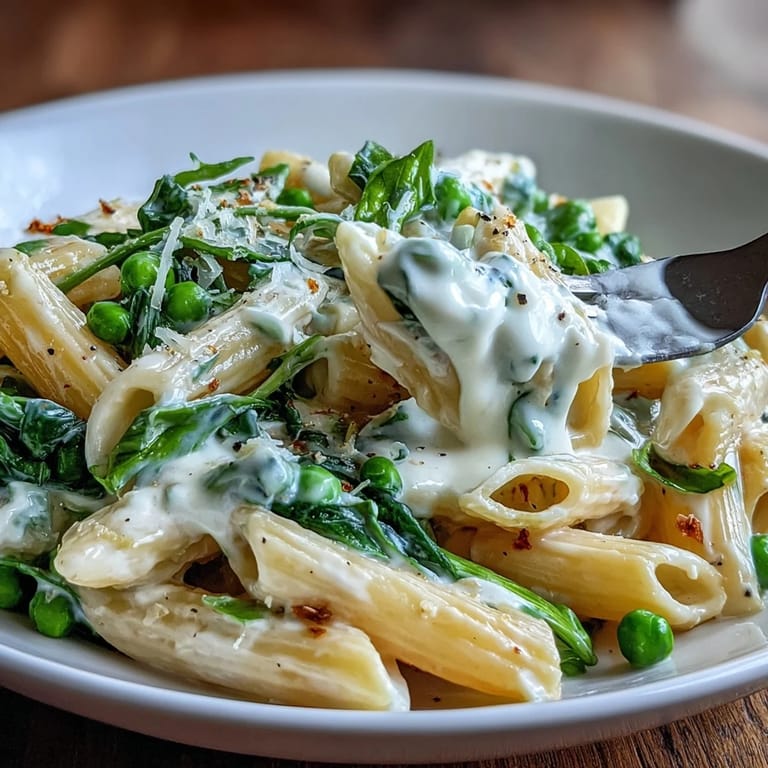
 The first time I tried lemon ricotta pasta, it happened on a weeknight when my fridge seemed almost empty but for a spare lemon, a tub of ricotta, and a few handfuls of greens. I can still recall the zing in the air as I grated lemon zest while the pasta bubbled away—the kind of fresh, citrusy perfume that cuts right through the kitchen's late-day quiet. Sometimes it's not the planned meals, but the ones pulled together last minute that become your staples. With each creamy, lemony forkful, I wondered why I hadn’t made this sooner. The best part? Fewer dishes meant more time to enjoy dinner at the table instead of scrubbing at the sink.
Last spring, I cooked up a huge batch of this lemon ricotta pasta when my cousin dropped by unexpectedly with her three kids in tow. The kids giggled as they tried to guess what made the pasta taste so bright, and I secretly congratulated myself for sneaking spinach and peas into a dish they devoured without question. Watching everyone go back for seconds around my tiny table made the chaos of cooking with a full house feel strangely comforting. That night, the clink of forks and chatter echoed long after dinner was done. It was one of those evenings where dinner didn’t just fill us up—it brought us together.
Ingredients
- Short pasta (penne, fusilli, or similar): Goes with creamy sauces and keeps a good bite—watch closely so it doesn’t overcook in the one-pot method.
- Ricotta cheese: Brings dreamy creaminess and should be added off-heat to keep the sauce silky.
- Grated Parmesan cheese: Adds saltiness and brings the flavors together—finely grating it helps it melt smoothly.
- Whole milk: Loosens up the cheese mixture and keeps everything luscious without heavy cream.
- Frozen or fresh green peas: Sweet bursts of flavor—toss them in straight from the freezer so they don’t turn mushy.
- Fresh spinach: Packs in color and nutrients and wilts down beautifully; chop roughly if you want it to disappear more into the sauce.
- Garlic: Just cooked until fragrant—it’s easy to let it burn, so stir constantly at the start.
- Lemon (zest and juice): The absolute key to brightness—zest before juicing and rinse your zester right away so the bits don’t stick.
- Olive oil: Sets the base for everything and adds savory depth; use extra virgin if you have it.
- Salt and freshly ground black pepper: Don’t skimp, especially at the end when it needs a flavor boost.
- Optional garnish—lemon zest and fresh basil or parsley: Use whatever herbs you have; a little extra zest makes a big impact right before serving.
Tired of Takeout? 🥡
Get 10 meals you can make faster than delivery arrives. Seriously.
One email. No spam. Unsubscribe anytime.
Instructions
- Sizzle the garlic:
- Pour olive oil into your largest skillet and warm it over medium heat, then gently swirl in the minced garlic and stir for just a minute until its perfume blooms, but don’t let it brown.
- Get the pasta underway:
- Tip in your dry pasta and peas, sprinkle in salt, and pour enough water to just cover everything; bring to a joyful bubble and let it simmer, stirring occasionally, until the noodles are just tender and most water is gone.
- Wilt the spinach:
- Add the spinach in handfuls, stirring as the leaves collapse into bright green ribbons, letting their freshness mingle with the pasta for a couple of minutes.
- Create the creamy sauce:
- Lower the heat, then fold in ricotta, Parmesan, milk, lemon zest, and lemon juice until everything is coated in a cozy, creamy sauce; keep stirring gently to avoid clumping and season generously with pepper and more salt as needed.
- Serve your masterpiece:
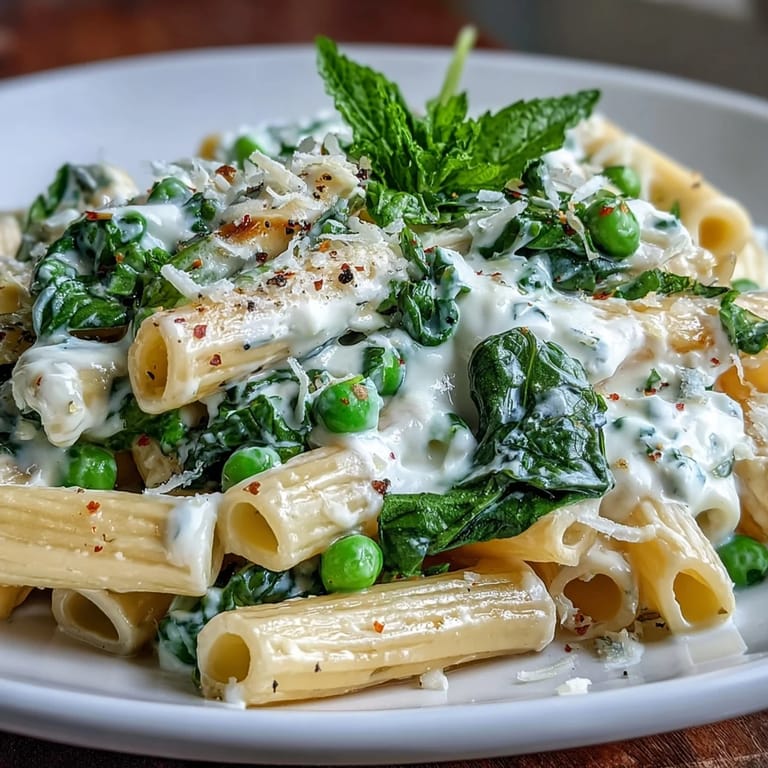
- Pile the pasta into bowls and shower with extra lemon zest and herbs if you’re feeling fancy, then dive in while it’s silky and warm.
 Pin It
 A few months ago, I brought a pot of this lemony pasta to a neighborhood potluck, and someone stopped mid-bite to ask how I'd made something so simple taste so alive. It was one of those rare times where you watch friends dig in, faces lighting up that way that only unfussy homemade food can do. For a fleeting moment, laughter and shared stories hung in the air every bit as vibrantly as the taste lingering on our tongues.
How to Make This Dish Work for Every Season
I’ve found this pasta’s charm is how easily it adapts to whatever is in the fridge or at the market. In spring, the peas burst with sweetness, and you can toss in asparagus tips or even fiddleheads. When summer comes around, I swap in arugula or cherry tomatoes that melt just enough to become the tender heart of the sauce. Cooler months, I lean on kale or Swiss chard and sometimes throw in roasted squash for heft. No matter the season, a fresh sprinkle of lemon zest at the end never fails to wake up the flavors.
Swaps and Simple Upgrades
If you’re craving more texture, toss in toasted nuts like pine nuts or walnuts before serving—they add a lovely crunch against the creamy sauce. Sometimes I’ll add a pinch of chili flakes for gentle heat or use whole wheat pasta for extra nuttiness. For a special touch, spoon a little burrata on top or drizzle with good olive oil. If you don’t have ricotta, mascarpone works in a pinch, making the sauce even silkier. There’s a gentle playfulness to experimenting with this dish, and most variations only lead to pleasant surprises.
One-Pot Cooking Wins
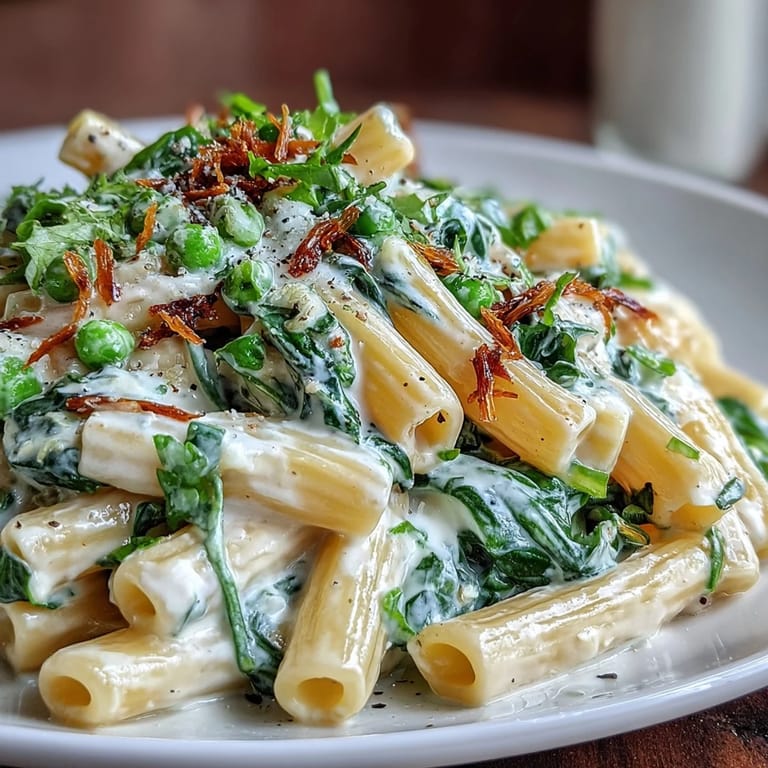
There's an undeniable cheer to a meal you cook all in one pot, especially when the flavors seem to deepen together. Letting the pasta cook in just enough water with the other veggies means you don’t lose any flavor down the drain, and everything clings perfectly to the noodles. A wooden spoon is your friend here—don’t be afraid to scrape up any stuck bits, they’re flavor gold.
- Keep an eye on water levels so nothing burns at the bottom.
- Trust your palate with lemon and cheese—taste as you go.
- Save a little pasta water just in case the sauce needs loosening before serving.
 Pin It
 Here’s to dinners that taste brighter than your day—may every bite bring a little extra sun to your table. You’ll want to make this again before washing up the pot!
Recipe FAQs
- → Can I use frozen peas instead of fresh?
Yes. Toss frozen peas in with the pasta at the start of cooking; they thaw and heat through as the pasta cooks, keeping their sweet bite. No need to defrost first.
- → How do I prevent the sauce from becoming watery?
Cook the pasta in just enough water so most of it is absorbed. Reduce heat before adding cheeses and stir off the heat briefly to let the sauce thicken and coat the pasta.
- → What cheese swaps work well for this dish?
Grated Pecorino adds a sharper edge, mascarpone boosts creaminess, and a mix of ricotta with shredded mozzarella gives stretch. Adjust salt when using saltier cheeses.
- → How can I add protein to make it heartier?
Fold in browned Italian sausage, shredded rotisserie chicken, or crispy tofu cubes after the pasta finishes cooking. Add them just before serving so textures remain distinct.
- → Is it okay to use arugula or kale instead of spinach?
Yes. Baby arugula wilts quickly and adds peppery notes; thinly sliced kale benefits from a brief sauté to soften before stirring into the pasta.
- → How should leftovers be stored and reheated?
Refrigerate in an airtight container up to 3 days. Reheat gently in a skillet with a splash of milk or water to revive the sauce and prevent drying.