 Pin It
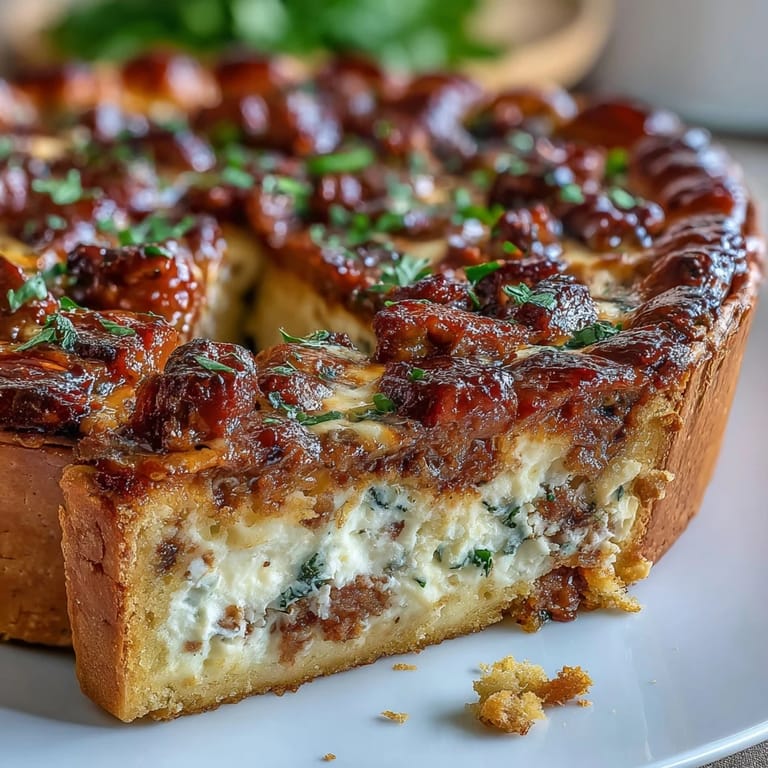
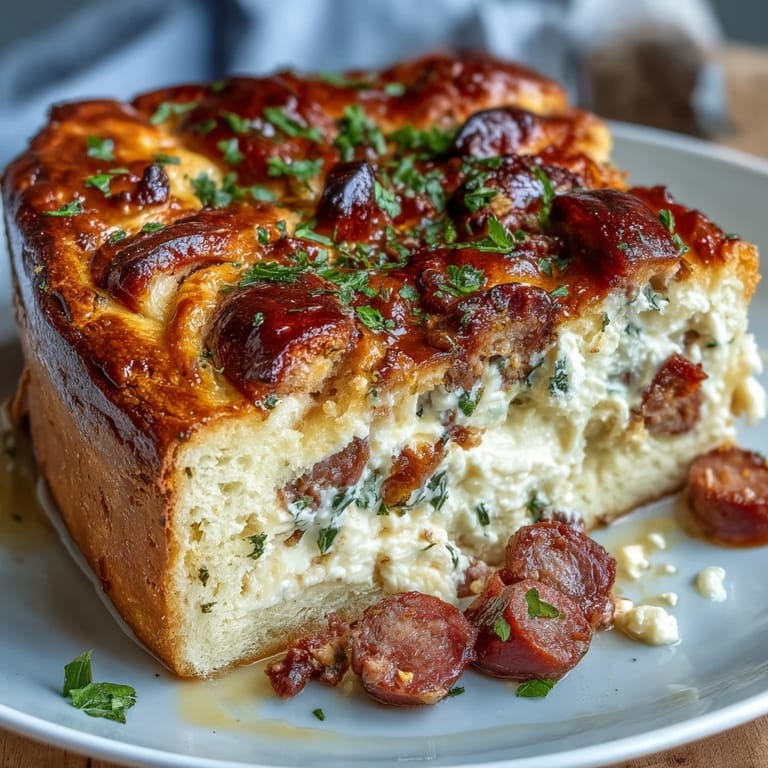
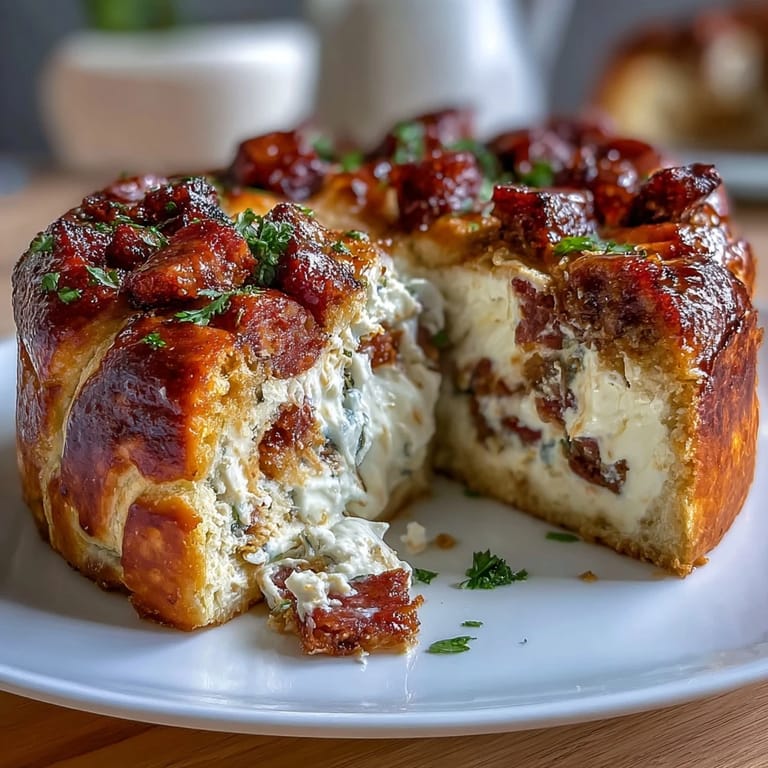
 My nonna used to make this pie every Easter, and the kitchen would fill with this incredible savory aroma that made everyone gather around before it even came out of the oven. Years later, I realized she'd been teaching me something essential about Italian cooking without ever saying a word—that the best dishes are the ones that bring people together, not to impress them, but to feed them properly. The first time I made it myself, I was nervous about the lattice work, but halfway through I stopped worrying and just let my hands remember what I'd watched her do a hundred times. This pie has this quiet elegance to it, the way the golden crust shatters and the creamy filling spills out with those little pockets of salty salami throughout.
I'll never forget the Easter when my sister brought her partner to family dinner for the first time, and he asked for thirds of this pie—my nonna literally cried happy tears. It became this running joke that we had to make two pies on Easter from then on, because one simply wasn't enough. There's something about a savory pie that feels more substantial and real than dessert, like it's saying something true about what matters in life.
Ingredients
- All-purpose flour: Use good quality flour here because you'll taste the difference in the crust's flavor and texture—it should feel like butter and flour coming together, not a gritty disaster.
- Cold unsalted butter: This is non-negotiable; warm butter makes the crust tough and dense instead of tender and flaky, so keep it cold until the very last second.
- Whole-milk ricotta cheese: Drain it really well beforehand or your filling will be watery, which I learned the hard way by ignoring that step once.
- Heavy cream: This is what makes the filling silky instead of heavy, adding richness without making it feel like eating a brick.
- Parmigiano-Reggiano cheese: The real stuff, please—the pre-grated kind has anti-caking agents that change the texture in ways you don't want.
- Italian salami: Cut it into small dice rather than thin slices so you get little flavor bursts throughout instead of chewy pieces.
- Mozzarella cheese: Fresh mozzarella works, but low-moisture is more forgiving and won't release extra water into the filling.
- Fresh parsley: Adds a brightness that cuts through all that richness beautifully, so don't skip it thinking you're saving time.
- Nutmeg: Just a whisper of it—this is your secret ingredient that makes people wonder what makes this taste so good.
Tired of Takeout? 🥡
Get 10 meals you can make faster than delivery arrives. Seriously.
One email. No spam. Unsubscribe anytime.
Instructions
- Make the pastry and chill it:
- Mix your flour and salt, then cut in the cold butter until it looks like coarse breadcrumbs—this is where patience matters because you're creating little pockets of fat that become flaky layers. Add eggs and just enough cold water to bring it together, wrap it up, and let it rest in the fridge while you make the filling, which actually makes everything easier.
- Prepare your pan and line it:
- Roll out about two-thirds of the dough and press it into your prepared pan, leaving some overhang—this will become those crispy edges everyone fights over. You want it even but not thin, thick enough that it doesn't tear when you fill it.
- Build the filling:
- Combine your drained ricotta with eggs, cream, and both cheeses, then stir in the parsley and spices, tasting as you go. Fold in the diced salami at the end so you don't break it up and lose those flavor pockets.
- Fill and top:
- Pour the filling into the crust and smooth the top gently with a spatula, then roll out the remaining dough and cut it into strips for a lattice. The lattice isn't just pretty—it lets steam escape and helps the filling set properly.
- Finish and bake:
- Brush everything with beaten egg so it gets golden and gorgeous, then bake for about an hour until the top is golden brown and the filling looks set but still has a tiny jiggle in the center. If the edges are browning too fast, lay some foil loosely over the top—not sealed, just protecting.
- Cool and serve:
- Let it rest for at least 30 minutes before slicing, which lets everything set and makes clean slices possible. It's good warm, room temperature, or cold from the fridge the next morning.
 Pin It
 There was this moment, maybe five years ago, when I realized my kids had started requesting this pie instead of cake for their birthday, and I understood that I'd somehow become the person my nonna was. Now it doesn't feel like Easter without making one, and I catch myself humming while I roll out the dough, the same way she used to.
The Pastry Question Nobody Asks
Most people think the filling is the whole story here, but the pastry is actually doing more work than you realize—it's containing everything, giving structure, and providing that satisfying crunch that makes every bite feel complete. I used to overthink it, but then I stopped watching baking shows and just started remembering what my hands had done before. If your crust cracks while you're moving it, don't panic; you can patch it with scraps and nobody will ever know.
Making It Your Own
The beauty of this pie is that it's flexible enough to work with what you have or what you love—I've made it with prosciutto instead of salami when I was feeling fancy, and with spinach when I had a vegetarian friend coming over. The base is solid enough that substitutions work beautifully, which means you can make it yours without losing what makes it special. The filling is really where you can play around without breaking anything.
Timing and Make-Ahead Magic
One of my favorite discoveries is that you can make this pie completely the day before, cover it tightly, and just pop it in the oven when you're ready—it's like having a secret backup plan for brunch. The flavors actually blend better after sitting overnight, and your morning becomes infinitely less stressful. You can even freeze it unbaked for up to a week, just add 10 minutes to the baking time.
- Make the pastry dough the night before and you're halfway there before the day even starts.
- The pie tastes best when you let it cool completely, but serving it warm with a salad is absolutely acceptable for real people.
- Leftovers are just as good cold straight from the fridge, sliced thick and eaten while standing in front of the refrigerator door.
 Pin It
 This pie is less about following rules perfectly and more about making something that feeds people you love, which is really what Italian cooking is all about. Make it, share it, and let it become part of your own kitchen story.
Recipe FAQs
- → What type of salami is best for this pie?
Use diced Italian salami with a balanced fat content to ensure a flavorful and moist filling.
- → Can I make the crust ahead of time?
Yes, prepare the pastry dough in advance, chill it for at least 20 minutes, and keep it refrigerated until ready to use.
- → How do I achieve a golden lattice crust?
Brush the pastry lattice and edges with beaten egg before baking to promote a shiny, golden finish.
- → What can I substitute for salami for a vegetarian version?
Omit salami and add sautéed spinach or artichokes for a delicious vegetarian alternative.
- → How long should the pie cool before serving?
Allow at least 30 minutes cooling to let the filling set for easier slicing and optimal flavor.