 Pin It
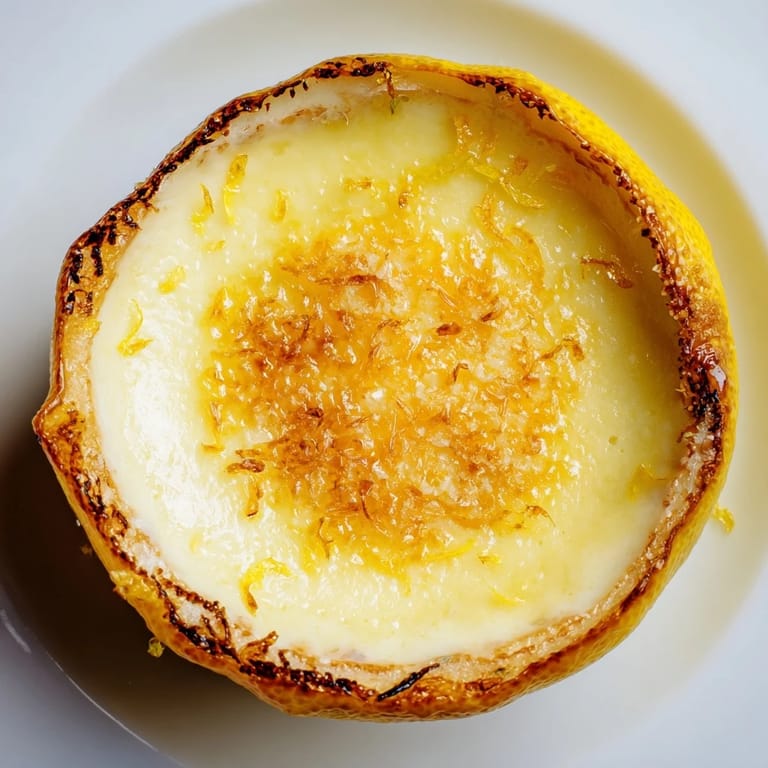
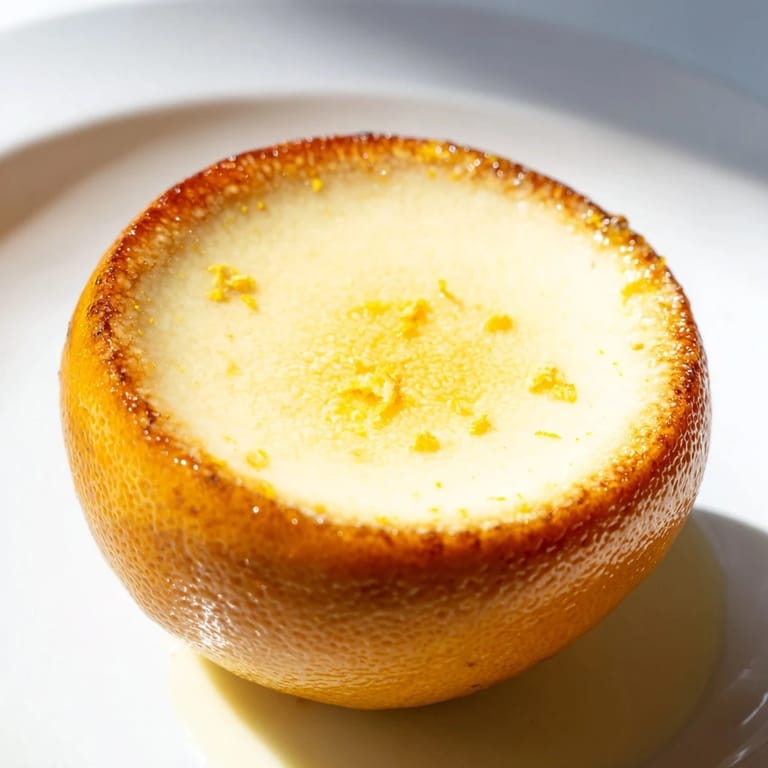
 There's something about the first time you hollow out a lemon shell and realize it can become a edible serving dish that changes how you think about plating. I was experimenting one afternoon, juice running down my wrists, when I decided to pair that perfectly crafted vessel with a silky posset—and the moment the caramelized sugar cracked under my spoon, revealing that cool, tart cream beneath, I knew I'd found something special. This isn't just dessert; it's a moment of theater on a plate.
I made this for a dinner where my friend mentioned offhandedly that she was tired of the same chocolate desserts everyone served. Two days later, those golden-topped lemon shells arrived at the table, and her face lit up in a way that made me realize how much joy comes from unexpected flavors and thoughtful presentation. She asked for the recipe that night, and I've watched her make it three times since.
Ingredients
- Double cream (500 ml): This is where the magic lives—heavy cream thickens as it cooks with sugar and acid, creating that signature silky texture that possets are known for.
- Caster sugar (140 g, plus 6–8 tsp for brûlée): Fine sugar dissolves cleanly into cream without grittiness; save the coarser sugar for topping because it caramelizes with better crackle.
- Lemon zest (from 2 lemons): Zest while the lemons are whole—once halved and hollowed, they're harder to work with, and good zest adds oils that transform the flavor.
- Freshly squeezed lemon juice (90 ml): Fresh juice is non-negotiable here; bottled juice lacks the brightness that makes this dessert sing against the richness of cream.
- Large lemons for shells (6): Look for firm, unblemished lemons with thick skin so they don't crack when you hollow them out or stand upright.
Tired of Takeout? 🥡
Get 10 meals you can make faster than delivery arrives. Seriously.
One email. No spam. Unsubscribe anytime.
Instructions
- Prepare your vessels:
- Halve each lemon lengthwise and carefully scoop out the flesh with a melon baller or sturdy spoon, keeping those shells intact and upright. Trim a thin sliver off the rounded bottom so each shell sits steadily without wobbling, then pop them in the fridge—cold vessels mean the posset sets more evenly.
- Build the base:
- Pour cream, sugar, and lemon zest into a saucepan and bring it to a gentle boil, stirring so the sugar dissolves completely. After three minutes of a soft simmer, pull it off the heat—this brief cooking is what thickens everything without making it grainy.
- The magic moment:
- Stir in your fresh lemon juice and watch as the mixture firms up slightly, almost like it's already setting. This chemical reaction between acid and cream is the whole reason possets work so beautifully.
- Strain and settle:
- Pour the mixture through a fine mesh strainer to catch any zest bits, leaving behind a silky, pale yellow base. Let it cool for ten minutes—not long enough to solidify, just long enough to handle safely.
- Fill and chill:
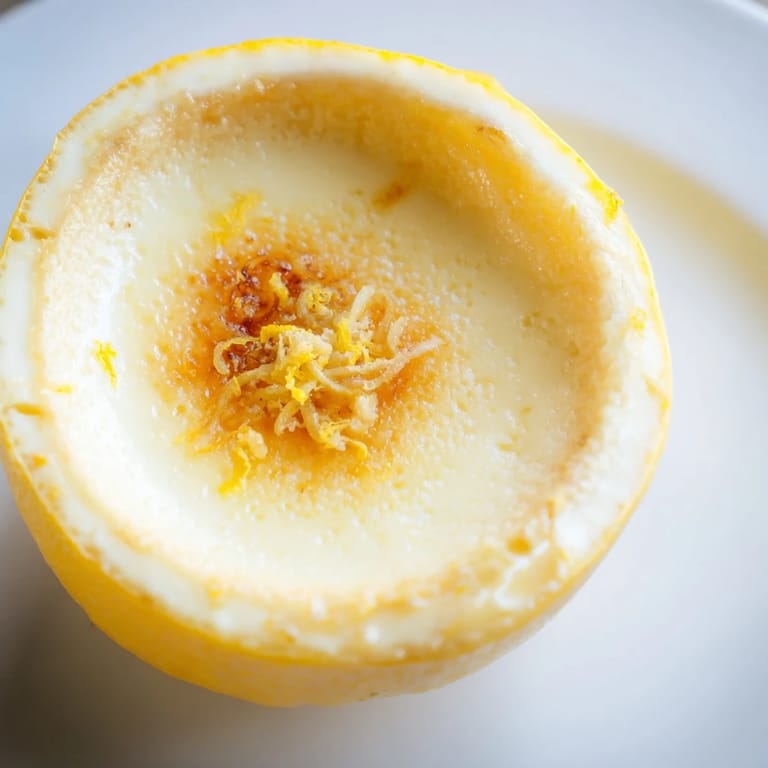
- Pour the posset into those waiting lemon shells, filling almost to the rim, then slide them into the fridge for at least three hours. This is where patience pays off; rushing this step means a posset that's still loose when you need to brûlée it.
- Caramelize and serve:
- Just before serving, dust each posset with a teaspoon of caster sugar and use a kitchen blowtorch to melt it into a crackling amber sheet. If you don't have a torch, a very hot grill works too, but watch it constantly because sugar burns fast.
 Pin It
 What I love most is serving these at the end of a meal when everyone's settled and happy, and hearing the collective gasp when they tap through that sugar shell. It's such a small moment, but it transforms a dinner from nice to memorable.
Flavor Variations Worth Trying
The base recipe is perfect as written, but once you understand how it works, you can play. A sprig of thyme simmered in the cream before adding lemon juice adds an herbal note that sophisticated palates adore. Basil works too, especially if you're serving this after a summer meal. I once steeped a vanilla pod alongside the thyme and it softened the tartness in a way that surprised me—the cream became almost floral. Remove whatever you're infusing before you add the juice, or you'll muddy the fresh citrus notes you're after.
Make-Ahead Confidence
This dessert practically demands planning—make it a day in advance and everything is easier. The posset sets firm, giving you a stable base to work from, and you can arrange your shells on serving plates hours before guests arrive. The only part that can't wait is the brûlée topping, which needs to happen just before you bring dessert to the table. If you're cooking for guests and want to minimize last-minute stress, this is your answer.
Serving and Pairings
These shells demand crisp accompaniments—shortbread, almond biscuits, or even thin tuile cookies all work beautifully. The crunch against silky posset is essential, and the slight butter or almond flavor gives the plate complexity. I've served these after rich main courses where everyone's grateful for something bright and acidic, and I've also plated them alongside summer fruit when I wanted to double down on freshness. They're equally at home at a casual dinner or a formal occasion.
- Crisp shortbread provides buttery contrast without competing for attention.
- Thin almond biscuits echo the cream's richness while adding textural interest.
- Fresh berries scattered around the shells brighten the plate without overwhelming the delicate lemon flavor.
 Pin It
 There's real elegance in a dessert that feels like an occasion without demanding you spend your day in the kitchen. This one checks that box perfectly.
Recipe FAQs
- → What is the best way to caramelize the sugar topping?
Using a kitchen blowtorch ensures even caramelization and precise control. Alternatively, a hot grill or broiler can be used carefully to avoid burning.
- → Can I prepare the lemon shells in advance?
Yes, hollowed lemon shells can be prepared and kept refrigerated until ready to fill. This helps streamline the assembly process.
- → How do I ensure a smooth posset texture?
Strain the mixture after simmering to remove lemon zest and any solids, resulting in a silky finish.
- → Are there any flavor variations to try?
Infusing the cream with herbs like thyme or basil during simmering adds a subtle aromatic note without overpowering the citrus.
- → What are suitable accompaniments for this dessert?
Crisp shortbread or almond biscuits complement the creamy texture and add a pleasant crunch.