 Pin It
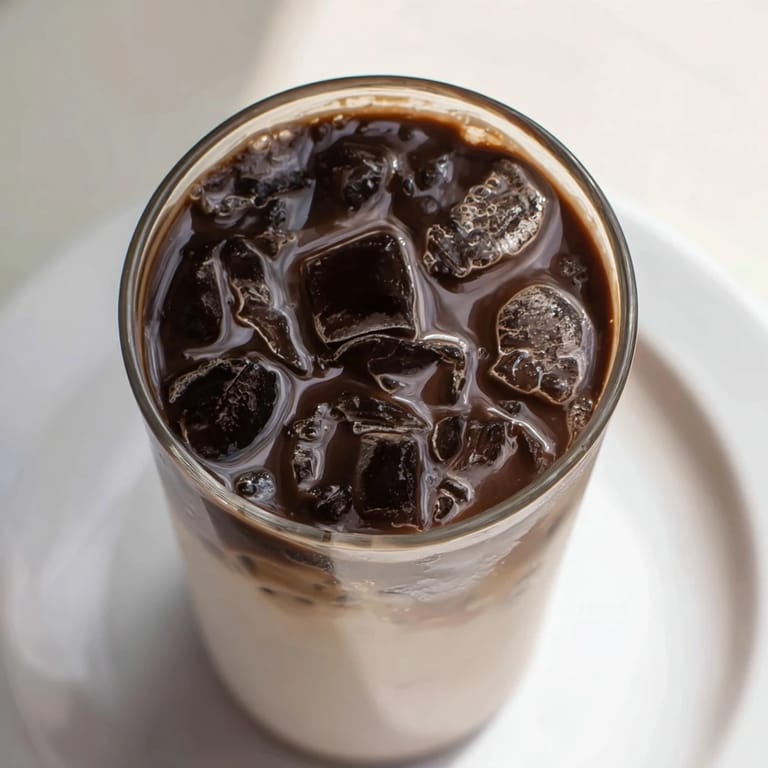
 There's something magical about the moment when hot espresso meets cold milk, the steam rising just enough to catch the light. I discovered this drink entirely by accident one summer afternoon when I was trying to use up some melted chocolate and didn't want to waste it. The cracking chocolate layer became the whole reason to make it again—the sound and the ritual of breaking through that dark shell before the first sip.
I made this for my sister during an impossibly hot July afternoon when neither of us wanted anything warm. The look on her face when that chocolate cracked under her spoon—I knew I'd stumbled onto something special. Now whenever she visits, this is what she asks for before anything else.
Ingredients
- Freshly brewed espresso (2 shots, about 60 ml): Use the best quality beans you can find because there's nowhere to hide in this drink—those two shots are the backbone of everything. If you don't have an espresso maker, very strong brewed coffee works in a pinch, though the flavor profile shifts.
- Whole milk (1 cup or 240 ml): Whole milk creates the richest layer at the bottom, but oat milk has become my go-to alternative for the way it froths slightly and creates a silky mouthfeel. Any cold milk you prefer works fine here.
- Dark or milk chocolate, chopped (80 g): Roughly chop it into small pieces so it melts evenly without any stubborn chunks lurking in your spoon. Dark chocolate brings sophistication, while milk chocolate keeps things sweeter and more approachable.
- Coconut oil (1 tsp, optional): This tiny addition makes the chocolate snap like a chocolate bar when it cools, rather than becoming chewy. It's the difference between a delicate crack and a disappointing bend.
- Simple syrup or sugar (1–2 tsp, to taste): Taste as you go because chocolate already brings sweetness, and you might find you don't need much of anything extra.
- Ice cubes (2 cups): Use fresh ice that hasn't picked up freezer flavors; old ice can make everything taste stale.
Tired of Takeout? 🥡
Get 10 meals you can make faster than delivery arrives. Seriously.
One email. No spam. Unsubscribe anytime.
Instructions
- Brew your espresso:
- Pull two crisp shots and let them sit for just a moment while you gather everything else. You want them still warm but not actively steaming when you pour.
- Melt the chocolate gently:
- Chop your chocolate into small, even pieces and melt with coconut oil either in a microwave (30-second pulses, stirring between) or over a double boiler. Stop while there are still a few small pieces visible and stir until completely smooth—residual heat finishes the job and prevents graininess.
- Build your glasses:
- Fill two tall glasses with fresh ice cubes all the way to the top. This is where the cold actually comes from, so don't skimp.
- Pour the milk and set the sweetness:
- Pour 120 ml of cold milk into each glass, then taste the milk itself (yes, really) and add your sweetener if needed. The milk is cold now, so sweetness won't dissolve quite as readily, which means a light touch works best.
- Introduce the espresso:
- Pour one espresso shot slowly into each glass, watching the darker espresso sink through the lighter milk and create those beautiful layers. Go slowly enough to see it happen—rushing this step means you miss the whole point.
- Crown with chocolate:
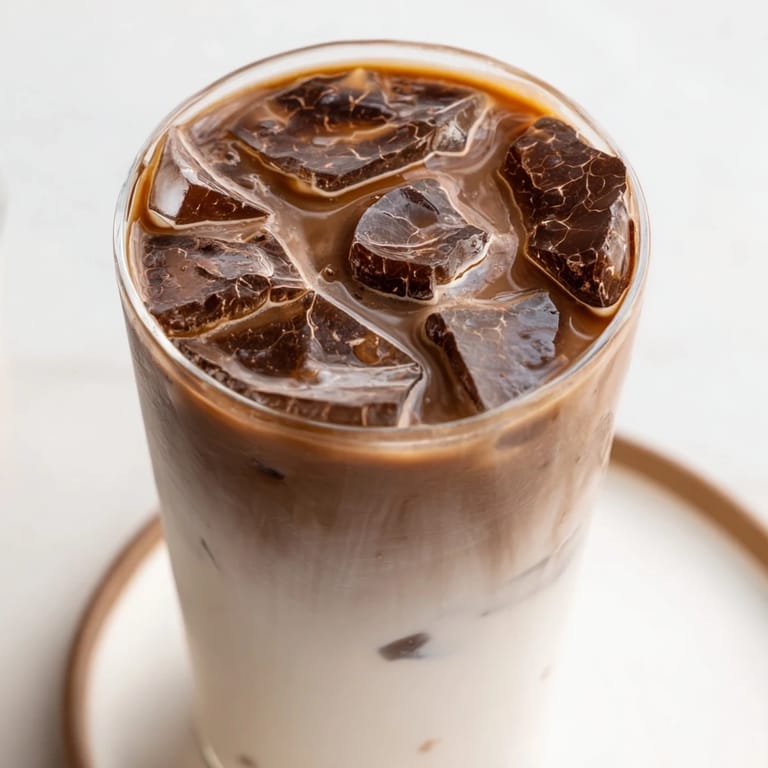
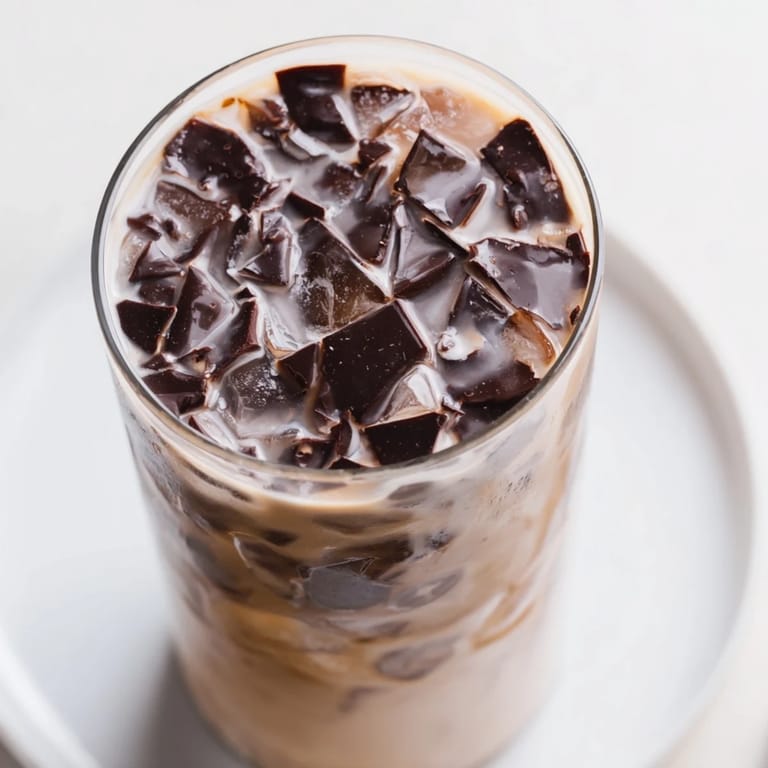
- Once the espresso settles, spoon or drizzle the melted chocolate in a slow, careful stream across the top of each glass. It should form a glossy, dark layer that immediately starts to set from the cold liquid below. This is the moment that makes the whole drink.
- Serve and crack:
- Bring the glasses straight to the table and hand someone your spoon. Let them do the honors of breaking through that chocolate—it's part of the experience.
 Pin It
 My coworker took one sip of this at a shared desk on a Tuesday morning and suddenly everyone wanted to know what I was drinking. That one moment sparked actual conversations—people stopping by just to watch the chocolate crack. Sometimes the simplest things create the biggest magic.
Why Cold Chocolate Works Here
Hot chocolate is wonderful but predictable. Cold chocolate turns a simple iced latte into something textured and theatrical that engages your senses in unexpected ways. The contrast between the warm espresso, the cold milk, and that solid chocolate layer makes every sip taste intentional rather than accidental. Once you taste it this way, regular iced lattes feel a little flat.
Milk Matters More Than You'd Think
I spent months making this drink with whatever milk was in the fridge before I realized the milk itself changes everything. Cold, fresh milk creates a subtle sweetness on its own, while older or warmer milk tastes thin and one-dimensional. If you're using plant-based milk, oat creates the most luxurious feeling, though coconut milk brings an unexpected tropical note. Experimenting with different milk types might become more interesting than experimenting with chocolate varieties.
Timing and Temperature Build the Whole Experience
This drink lives in the details of temperature timing. If you pour the espresso while it's still aggressively hot, the ice melts too fast and you're left with diluted coffee by the second sip. If you let the espresso cool too long, it doesn't create that lovely warmth against the cold milk. The chocolate temperature matters just as much—too hot and it won't set, too cool and it becomes chunky and difficult to drizzle. Get these timing details right and you've got a drink that stays delicious from the first taste to the last.
- Brew your espresso right before you're ready to pour it, giving it exactly 30 seconds to cool while you fill your glasses with ice.
- Test the chocolate temperature by touching a tiny bit to your bottom lip before committing it to the drink.
- Serve immediately after adding the chocolate layer so you catch it at peak crackability.
 Pin It
 This drink taught me that sometimes the most memorable moments in the kitchen come from happy accidents and simple ingredients that refuse to be ordinary. Make one on a quiet morning and you'll understand why it's worth the extra five minutes.
Recipe FAQs
- → How do I melt the chocolate properly?
Use a microwave-safe bowl or double boiler to gently melt chocolate with coconut oil, stirring until smooth and glossy.
- → Can I use plant-based milk?
Yes, oat or almond milk work well as dairy-free alternatives without compromising the creamy texture.
- → What makes the chocolate layer crack?
The combination of melted chocolate and coconut oil creates a thin solid layer that crisply cracks when touched or stirred.
- → Is it necessary to cool the espresso first?
Allow espresso to cool slightly before pouring over milk and ice to maintain proper temperature and layering.
- → How can I adjust the sweetness?
Simply add simple syrup or sugar to taste when pouring milk into the glass for a balanced sweetness.